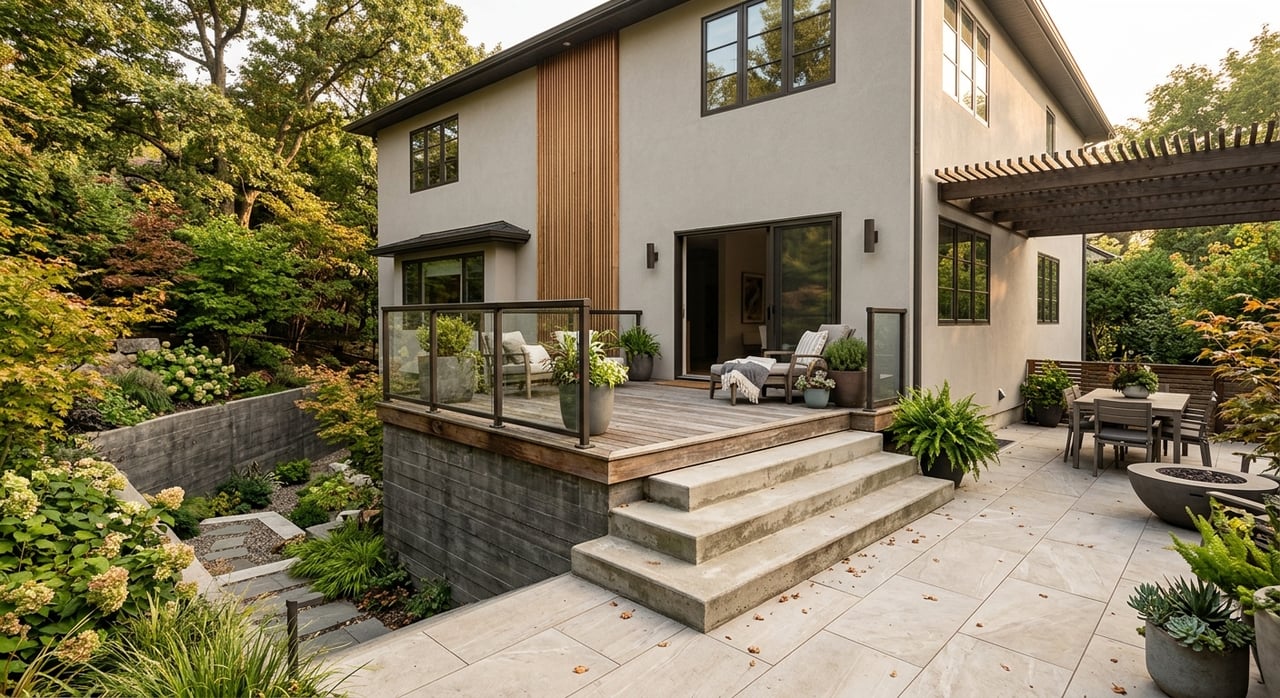
Belmont Hills Versus Flats: Housing And Lifestyle
May 28, 2026
Choosing between Belmont’s hills and flats is not just about views versus convenience. It is about how you want your day-to-day life to feel, how your home will function, and what matters most when you buy or sell. If you are weighing both sides of Belmont, this guide will help you understand the real tradeoffs so you can make a more confident decision. Let’s dive in.
Belmont may be compact at about 4.6 square miles with roughly 26,000 residents, but it changes quickly from one area to the next. The city describes itself as a residential community with wooded hills, Bay views, and open space, while also planning Belmont Village as a transit-oriented downtown center around the Caltrain station.
That means the hills-versus-flats decision is more than a style preference. In Belmont, topography can shape your home’s setting, access, maintenance needs, and even your daily routine.
Belmont’s neighborhood associations give you a good sense of how varied the city feels at a small scale. Areas such as Western Hills, Belmont Heights, Plateau-Skymont, Downtown, Central, and Sterling Downs show that local identity can shift noticeably by block.
City materials also point to real terrain differences. San Juan Hills and Western Hills are identified as sensitive hillside areas, Skymont is described as low-density residential and open space on a hill crest, and much of the Plateau neighborhood is noted as relatively flat.
Homes in the hills often come with a stronger sense of separation from the busier parts of town. You may find more dramatic settings, more open-space adjacency, and in some cases broader views toward the Bay.
Because some of Belmont’s steepest hillsides are preserved as open space, hillside living can also feel closely connected to nature. For many buyers, that is a major part of the appeal.
On the flatter side of Belmont, the experience can be more centered on convenience and daily access. Areas closer to Belmont Village and the Caltrain station may feel more tied to shops, services, and transit.
If you want a lifestyle where getting around on foot is part of the routine, the flats may line up better with your goals. That difference can matter just as much as square footage or lot size.
Belmont’s zoning framework reflects these physical differences. The city includes several single-family residential districts on flatter land, including R1A, R1B, R1C, R1E, and R1H, while hillside areas include HRO1, HRO2, and HRO3 residential and open-space districts.
For buyers and sellers, the practical takeaway is simple. Homes in the hills and homes in the flats often solve different priorities.
Hillside homes often stand out for their setting. Depending on the address, you may see:
That said, hillside properties often ask more from you in return. Steeper terrain, stairs, driveway angles, lot usability, and vegetation management can all become part of everyday ownership.
Homes in flatter parts of Belmont are often easier to navigate and maintain. In many cases, they offer:
That does not mean every flat lot is the same, but in general, flatter homes tend to reduce some of the physical challenges that come with hillside living.
One of the clearest differences between Belmont’s hills and flats shows up in how you spend your time. The best fit depends on whether you picture your ideal day around convenience, scenery, recreation, or a blend of all three.
The Belmont Village Specific Plan describes the area around the Caltrain station as a Priority Development Area because of its proximity to transit, jobs, shopping, and services. The city’s goal is to strengthen lively public spaces and social connectivity in the heart of Belmont.
If you like the idea of being closer to downtown activity, station access, and everyday errands, the flatter areas near Belmont Village may feel especially appealing. That kind of convenience can shape your routine in a very tangible way.
Belmont maintains 14 developed parks on 31 acres and 337 acres of open space for hiking, running, and biking. Both hills and flats have access to recreation, but the experience often differs depending on where you live.
Hillside homes usually lean more toward trail access and open-space living. If your weekends and evenings often include walking, running, or spending time outdoors, that can be a meaningful advantage.
In Belmont, elevation changes quickly. Because of that topography, sun, wind, fog, and temperature can vary from one area to another.
There is no official hill-versus-flat weather map from the city, but the practical point is still important. When you tour homes, pay attention to how a specific block feels at different times of day rather than assuming the whole city will feel the same.
The city’s hillside guidance and safety planning make one point very clear: hillside homes can be beautiful, but they also require more attention. Belmont’s materials say hillside development should minimize environmental impacts, and the city’s Safety Element identifies landslide hazards and calls for erosion prevention in hillside areas at risk.
Belmont’s wildfire-preparedness page also notes that the city removes roughly 100 to 200 acres of hazardous fuels annually, expands fuel-reduction work in the urban-wildland interface, and notifies properties adjacent to open space about annual wildfire-zone inspections.
If you are considering a home in the hills, it is smart to look closely at practical details such as:
None of these items automatically make a home a better or worse choice. They simply affect how the property lives over time.
For many buyers, schools are part of the decision process. In Belmont, it is important to verify assignment by exact address rather than assuming one side of town has a simple advantage over the other.
Belmont-Redwood Shores School District says it eliminated elementary attendance areas and uses a district-wide attendance area that assigns students near home, with residency required within district boundaries. Sequoia Union High School District serves Belmont and directs families to its boundary search and enrollment tools, which reinforces the same point: school access is address-specific.
When it comes time to sell, the strongest marketing angle is usually the one that matches the home itself. In Belmont, hillside and flatland homes often appeal to different buyer priorities.
A hillside home may stand out because of views, privacy, and open-space adjacency. A flatter home may stand out because of walkability, proximity to Belmont Village or Caltrain, and easier day-to-day logistics.
In both settings, buyers tend to focus on the same core issues at the property level:
That is why broad neighborhood labels only go so far. In Belmont, the details of a specific home often matter more than whether it sits in the hills or flats.
If you are deciding where to focus your search, start with how you want to live rather than with a fixed idea of what should be better. The right answer depends on your routines, comfort level, and long-term plans.
The hills may fit you best if you value views, privacy, a dramatic setting, and quicker access to open space. The flats may fit you best if you value convenience, easier access, walkability, and a more streamlined daily routine.
For sellers, this same framework helps with positioning. A home usually performs best when its strongest lifestyle advantages are presented clearly and honestly to the right buyer pool.
If you want help weighing a specific Belmont address, comparing two areas, or preparing your home for market, Sarah Ravella can help you sort through the details with local insight and a clear, practical strategy.
Stay up to date on the latest real estate trends.
We pride ourselves in providing personalized solutions that bring our clients closer to their dream properties and enhance their long-term wealth.