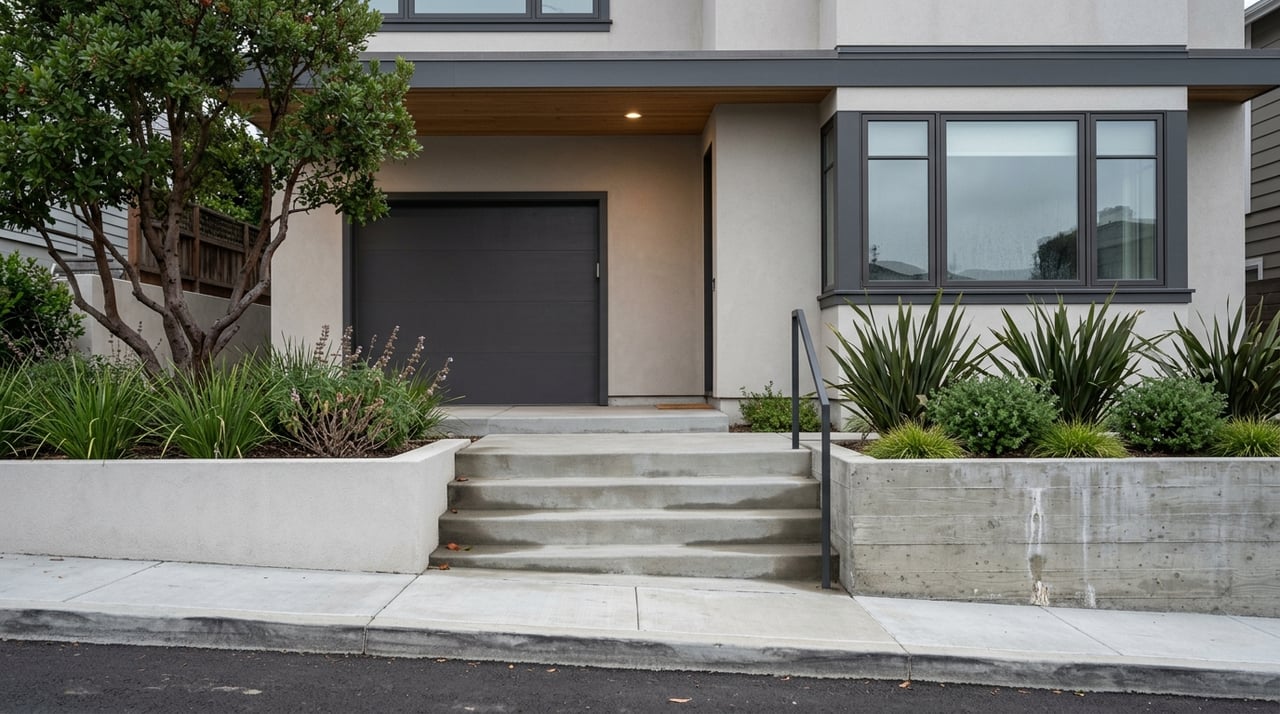
Buying A Home In Pacifica: Coastal Trade-Offs To Weigh
June 25, 2026
June 25, 2026
Dreaming of ocean air and beach access on the Peninsula? Buying a home in Pacifica can feel like a rare chance to get coastal living without leaving San Mateo County, but that lifestyle comes with real trade-offs. If you are comparing Pacifica with other Peninsula towns, it helps to look past the postcard views and think about weather, commute patterns, hazards, and day-to-day convenience. Here’s what to weigh before you buy so you can decide if Pacifica truly fits your life.
Pacifica is not a typical Peninsula town with one central downtown and a single, predictable rhythm. According to the city, it is made up of several separate beach communities, with shopping and services spread across smaller commercial nodes rather than one main center. More than half the city is protected open space, including over 1,000 acres in the Golden Gate National Recreation Area.
That layout shapes daily life. Depending on where you live, your nearest beach, trail, shops, and transit options may feel very different from one neighborhood to the next. In Pacifica, location choices are often less about being near “downtown” and more about choosing the coastal setting that fits you best.
One of the biggest surprises for buyers is how much Pacifica’s weather can change within a short drive. NOAA climate normals show mild temperatures year-round, with an annual mean temperature of 57.4°F and summer average highs generally staying in the upper 60s to low 70s. Annual precipitation is 31.88 inches, with wetter conditions concentrated in winter.
What those averages do not fully capture is the marine layer. NOAA explains that low clouds and fog can linger for days or even weeks along the West Coast under certain conditions, and USGS notes that California coastal fog is shaped by complex air, land, and sea interactions. In practical terms, Pacifica can feel cooler, cloudier, and more variable than inland Peninsula communities.
The city’s neighborhood guide also points to real differences inside Pacifica itself. Linda Mar is described as sunny, while Vallemar is described as shady. If weather affects your mood, work-from-home routine, or how often you use outdoor space, this is one of the most important trade-offs to consider.
If you love crisp ocean air and do not mind foggy stretches, Pacifica may feel refreshing. If you want warmer, more predictable sunshine, neighborhood selection becomes especially important. Two homes only minutes apart can offer very different living experiences.
Because Pacifica is a collection of distinct communities, buyers should think in terms of neighborhood patterns rather than one citywide experience. The city’s guide offers a useful starting point for how these areas function.
Linda Mar is the city’s largest neighborhood and fronts Pacifica State Beach. The city describes it as sunny, which can be a major advantage for buyers who want a brighter coastal setting. Its beach access is a strong lifestyle draw, especially if you picture regular time outdoors.
Sharp Park is one of the more walkable parts of Pacifica, centered around the promenade, pier, and golf course. That can be appealing if you want easier access to everyday outings on foot. At the same time, it sits closer to surf and bluff exposure, which brings different coastal considerations.
Vallemar is described by the city as shady and bucolic, which may appeal to buyers looking for a quieter, more tucked-away feel. Pedro Point is a steep hillside neighborhood with panoramic views. Those views can be compelling, but hillside living often comes with different maintenance and access questions.
Rockaway is Pacifica’s tourist-oriented coastal node, with restaurants, hotels, and shops. If you want an active coastal pocket with places to walk to, that can be a plus. If you prefer a quieter setting, it may feel busier than other parts of town.
In Pacifica, coastal beauty and coastal exposure go together. The city says it currently experiences coastal erosion, flooding, and severe storms along its six-mile shoreline. It is also preparing a sea-level-rise Adaptation Plan to address vulnerabilities affecting homes, businesses, infrastructure, and public safety.
The city’s FAQ also notes that bluff-top home evacuations have been necessary at times. That does not mean every coastal home carries the same level of concern, but it does mean buyers should take ocean and bluff exposure seriously. In Pacifica, the view is part of the appeal, but it can also be part of the risk profile.
These questions can help you move beyond the listing photos and evaluate the home as a long-term investment and living environment.
Some buyers see hillside locations as a way to gain views or step back from direct ocean exposure. That can be true, but hillside properties come with their own set of considerations. Pacifica’s landslide preparedness guidance warns that debris flows and other fast-moving landslides are common during intense rainfall on saturated soil.
The city advises residents to watch for cracks, fissures, and tilting trees or poles. For buyers, that means upslope living may shift concerns away from the surf and toward slope stability, drainage, and access during severe weather. A hillside home can be a great fit, but it should be evaluated with that terrain in mind.
If you are thinking about renovations, additions, or other future changes, Pacifica’s Coastal Zone rules matter. The planning division says properties in the Coastal Zone must be consistent with the Local Coastal Land Use Plan and may require a Coastal Development Permit under the California Coastal Act.
The city FAQ says the Coastal Zone boundary in Pacifica generally includes all land west of Highway 1, with limited exceptions. For buyers, this is an important practical detail. A property that seems ideal today may come with extra review or permitting steps if you plan to make changes later.
A home purchase is not only about what the property is now. It is also about what you may want it to become over time. If flexibility for future projects matters to you, coastal approvals should be part of your due diligence early in the process.
Pacifica’s setting is a major draw, but the commute pattern is not as simple as in rail-centered Peninsula towns. SamTrans connects Pacifica with nearby Coastside communities and lists several local routes, including 110 and 112. Route 110 connects Daly City BART with Linda Mar Park & Ride and serves Pacifica, Daly City, and San Francisco. Route 112 connects Sharp Park with Colma BART and serves Pacifica, Daly City, and Colma.
For many buyers, that means commuting is often bus-and-transfer oriented rather than centered around a walk-to-train lifestyle. If your routine depends on a fast walk to rail, Pacifica may feel less convenient. If you are comfortable with feeder bus service to BART, the trade-off may feel worthwhile for the coastal setting.
Pacifica may work especially well if you:
For many buyers, this is the category that keeps Pacifica in the conversation. The city’s neighborhood guide emphasizes surfing, scuba, fishing, paragliding, hiking, birding, mountain biking, boating, horseback riding, golf, and beach access as part of local life. Several miles of coastal and ridgetop trails connect Pacifica to neighboring communities.
The National Park Service also describes Mori Point as a 110-acre addition to the Golden Gate National Recreation Area with sweeping views and access to Sharp Park Beach. If your ideal week includes trail time, beach walks, or quick access to open space, Pacifica offers a lifestyle that is hard to replicate elsewhere on the Peninsula.
Pacifica is often a strong match for buyers who value outdoor access, coastal scenery, and a more laid-back feel over a polished downtown or rail-centered commute. It can also appeal to buyers who understand that “coastal living” is not one thing here. In Pacifica, the right choice often comes down to selecting the right neighborhood and accepting its specific trade-offs.
If you are deciding between Pacifica and other Peninsula towns, the key question is simple: how much do beach and trail access matter to your everyday life? If they matter a lot, Pacifica may be worth the weather variability, extra transit transfers, and location-specific hazard considerations.
Buying in a place like Pacifica works best when you go in with clear eyes and a neighborhood-by-neighborhood strategy. If you want help comparing Pacifica with other Peninsula options and weighing how those trade-offs fit your goals, connect with Sarah Ravella for a concierge-style conversation tailored to your move.
Stay up to date on the latest real estate trends.

We pride ourselves in providing personalized solutions that bring our clients closer to their dream properties and enhance their long-term wealth.