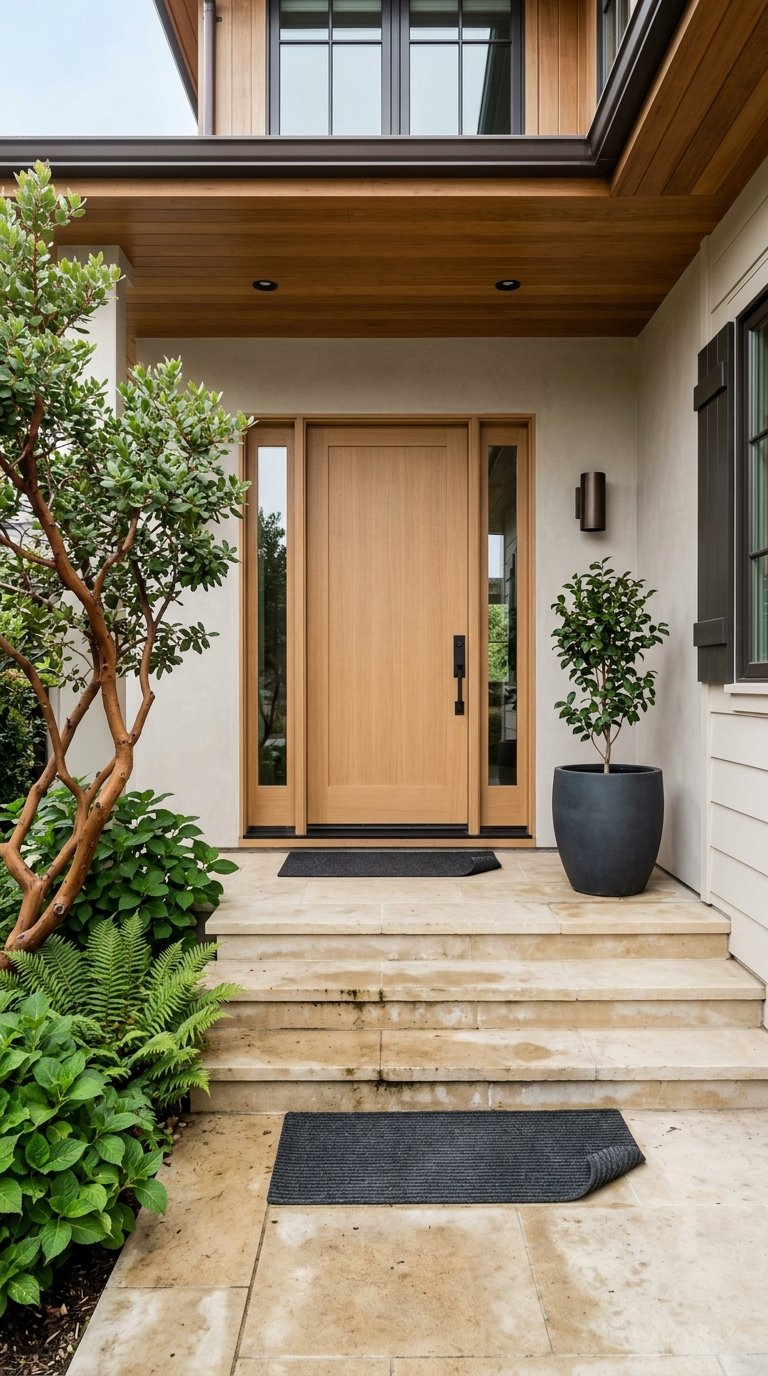
Buying A Second Home In Half Moon Bay
May 7, 2026
May 7, 2026
Dreaming about a place by the ocean? Buying a second home in Half Moon Bay can be exciting, but it also comes with a different set of questions than a typical Peninsula purchase. If you want a coastal retreat, a part-time residence, or a property with limited rental potential, it helps to understand how this market works before you write an offer. Let’s dive in.
Half Moon Bay is not just another Bay Area housing market. The city states that its Local Coastal Program applies citywide because the entire city is in the California Coastal Zone. That means your decision is shaped not only by price and location, but also by coastal rules, permitting, and long-term property care.
For second-home buyers, that matters in practical ways. A simple idea like adding a deck, changing drainage, or planning a remodel may involve more review than you would expect in an inland Peninsula city. If you are buying from a distance or planning future updates, you want to understand those layers early.
The climate also plays a role in ownership. NOAA climate normals for the Half Moon Bay station show a mean annual temperature of 54.9°F and annual precipitation of 26.04 inches. Summers tend to stay mild, while winter brings more of the wet-season weather that can affect roofs, exteriors, drainage, and ongoing maintenance.
For many Peninsula buyers, Half Moon Bay offers something hard to replicate inland: coastal access, a slower pace, and a true getaway feel without leaving the broader region. If your primary home is in San Carlos, Redwood City, San Mateo, or another nearby city, a second home here can feel like a meaningful lifestyle shift.
It can also look relatively more attainable when compared with some inland Peninsula markets. According to Redfin city medians from March 2026, Half Moon Bay was at $1.149M, compared with Redwood City at $1.931M, San Mateo at $1.650M, San Carlos at $2.750M, Burlingame at $2.775M, and Menlo Park at $3.000M. It is still a seven-figure market, but often below the price points buyers see in many Mid-Peninsula communities.
That said, local pricing needs context. Only 8 homes sold in Half Moon Bay in March 2026, so median price changes can swing when a small number of high- or low-end sales close. In other words, the median is useful as a directional signal, but not as a shortcut for valuing a specific property.
When you buy near the coast, your costs may extend beyond mortgage, taxes, and routine upkeep. Moisture, storms, and exposure can create a more maintenance-sensitive ownership experience than many inland homes. That does not make coastal ownership a bad idea, but it does mean you should underwrite the property carefully.
A smart second-home budget often includes:
If you plan to hold the property long term, think about operating costs from day one. A beautiful coastal home can still be a strong fit, but you want the full ownership picture, not just the purchase price.
Half Moon Bay’s climate planning identifies sea level rise, flooding, landslide risk, extreme heat, wildfires, smoke, and related impacts as issues the community is actively planning for. City and county coastal-hazard materials also warn that flooding and erosion affect the South Coast and that much of the shoreline is vulnerable to future inundation and erosion.
For you as a buyer, this means due diligence should go beyond the home inspection. You will want to look closely at parcel-level exposure, surrounding topography, drainage patterns, and any shoreline or bluff-related considerations that could affect use, insurance, or future improvements.
This is especially important if the property feels like a “forever” retreat. Coastal real estate can be compelling as a long-term hold, but it should be evaluated with risk, maintenance, and permit limits fully in mind.
Many second-home buyers ask the same question: can I rent it out when I am not using it? In Half Moon Bay, the answer is not a simple yes or no. The city’s short-term rental ordinance has been in effect since August 2023, and it sets clear operating rules.
The city says all short-term rentals must register with the city. Operators also need a business license and must comply with transient occupancy tax requirements. The city’s financial transparency page states that the transient occupancy tax is 12%.
There is also an important distinction between hosted and unhosted rentals:
The ordinance also includes several other operating limits. Short-term rental use is limited to one per operator and one per parcel or site. A local responsible party must be able to respond in person within about 20 minutes, overnight occupancy is limited to two people per bedroom, and the city-issued registration number must appear in advertising.
One more detail stands out for buyers comparing different property types: the city says short-term rentals are not permitted in ADUs. If rental flexibility is part of your strategy, that rule should be reviewed before you get too far into escrow.
Second-home buyers often picture future upgrades right away. Maybe you want to expand outdoor space, improve drainage, update an older layout, or make the home easier to maintain. In Half Moon Bay, it is wise to check permitting early.
The city states that many projects in the Coastal Zone may require a Coastal Development Permit. That can include remodels, additions, grading, deck work, drainage changes, or shoreline-adjacent improvements. The city issues Coastal Development Permits, but they remain under Coastal Commission jurisdiction, and the city advises applicants to review the Local Coastal Program early in the process.
That does not mean every project will be overly complex. It does mean you should not assume a future improvement will be straightforward just because it seems routine elsewhere on the Peninsula.
Insurance is another area where coastal second-home buyers need to slow down and get clear answers. Flood insurance should be treated as a separate decision. The OCC states that flood insurance is different from a standard homeowner’s policy, and if a mortgaged property is in a Special Flood Hazard Area, a bank may not make, increase, extend, or renew the loan unless the property is covered by flood insurance.
That matters because many buyers assume a homeowners policy covers all major hazards. It usually does not. Flood risk should be reviewed directly and priced before you remove contingencies, especially if the parcel has any known exposure.
Earthquake coverage is also separate in California. The California Department of Insurance says homeowners and renters policies generally do not protect against earthquake damage, and that a California Earthquake Authority policy must be purchased through the same insurer that writes the residential property policy.
If you are buying a second home in Half Moon Bay, due diligence should be thorough and practical. A coastal purchase rewards preparation.
Before you remove contingencies, make sure you verify:
Remote buyers should take this seriously. If you will not be in Half Moon Bay full time, it helps to have trusted support for inspections, vendor coordination, and follow-up on local requirements.
The right second home is not always the one with the best photos or the shortest drive to the beach. In Half Moon Bay, value comes from balancing lifestyle with real operating realities. A property that looks like a bargain compared with inland Peninsula pricing may still require more insurance work, more maintenance planning, or more permitting review.
That is why local guidance matters. A strong buying strategy here includes pricing context, property-specific due diligence, and a realistic plan for ownership over time. When those pieces line up, a second home can become a place you truly enjoy rather than a property that surprises you.
If you are weighing a coastal purchase and want a thoughtful, detail-oriented approach, working with a team that understands both Peninsula expectations and the importance of careful process can make a real difference. Reach out to Sarah Ravella for a concierge-style conversation about your goals, timing, and what to look for in Half Moon Bay.
Stay up to date on the latest real estate trends.


We pride ourselves in providing personalized solutions that bring our clients closer to their dream properties and enhance their long-term wealth.