Living In Pacifica: Commutes, Coastline, Community
May 14, 2026
May 14, 2026
If you want the coast without giving up everyday convenience, Pacifica is one of the first places on the Peninsula worth a closer look. You get ocean views, trail access, and a true small-town feel, but you are still connected to San Francisco, the airport, and key Peninsula commute routes. Whether you are thinking about a move, comparing neighborhoods, or trying to understand what daily life here really feels like, this guide will walk you through the big picture. Let’s dive in.
Pacifica is not a typical suburban Peninsula city. The city describes itself as a coastal community about 12 miles south of San Francisco along the Pacific Ocean, with rolling hills, forested canyons, beaches, and a strong local identity. It is also about 5 miles from San Francisco International Airport, which helps explain why it can feel tucked away while still staying connected.
That mix is a big part of Pacifica’s appeal. You are not choosing between scenery and access in quite the same way you might in other coastal towns farther south. Pacifica often feels like the closest-in version of California coast living for people who still need to stay plugged into the broader Bay Area.
Pacifica’s landscape shapes daily life in a very real way. Beaches, bluffs, hills, and canyons are not just weekend attractions here. They are part of the backdrop when you run errands, head out for a walk, or plan time outside.
Pacifica State Beach, also known as Linda Mar, is one of the city’s best-known destinations. The city calls it one of the most well-loved and well-used beaches in Pacifica, with surfing, surf camps, restrooms, showers, dog-friendly access with leash rules, and an ocean recreation trail.
For many buyers, that matters because it makes the beach feel usable, not just scenic. It is the kind of amenity that can become part of your regular routine, whether that means early morning walks, weekend surf lessons, or meeting friends outdoors.
Pacifica is not just a one-beach town. The city highlights a seven-mile waterfront trail that links Sharp Park Beach, Mori Point, Rockaway Beach, Calera Creek, and Pacifica State Beach.
That continuous trail system gives the coastline a more connected feel than many people expect. Instead of isolated stops, you get a chain of beaches, bluffs, and public space that supports walking, biking, and everyday recreation.
Mori Point and San Pedro Valley Park are two of the biggest open-space draws in Pacifica. Mori Point is a 110-acre Golden Gate National Recreation Area site with bluff views, accessible trails, and seasonal wildflowers. San Pedro Valley Park spans 1,052 acres and includes hiking trails, a visitor center, a self-guided nature trail, and seasonal waterfall views.
If outdoor access is high on your list, Pacifica has real depth. You are not limited to one park or one scenic overlook. You have multiple landscapes to explore, from oceanfront paths to inland trails through canyon settings.
The weather in Pacifica is part of the lifestyle, and it is smart to go in with clear eyes. Pacifica’s planning materials describe frequent summer fog, dry weather, and noticeable differences between coastal and valley areas within the city. NOAA also notes that sea fog is common along the Pacific coastline year-round and that marine-layer fog can move inland.
In practical terms, that means one part of Pacifica can feel cool and gray while another feels brighter or more sheltered. If you are coming from a warmer inland Peninsula location, this can be one of the biggest adjustments.
Some buyers love the cooler coastal air and the moodier atmosphere. Others need time to adjust to foggier mornings, wind exposure, and more variation from one neighborhood to another.
It is worth visiting Pacifica at different times of day and in different seasons before you buy. That gives you a more realistic feel for what your daily routine could look like, especially if outdoor entertaining, gardening, or sunlight matter a lot to you.
Pacifica’s winter-storm guidance points to flooding, flash floods, high coastal surf, and mudslides as real local risks. The city’s landslide guidance also notes that steep hillslopes and roadcuts can be vulnerable during intense rainfall.
That does not mean Pacifica is not a great place to live. It does mean coastal living here comes with practical considerations like drainage, slope conditions, weather exposure, and occasional access concerns during storm events.
For many buyers, the biggest question is simple: can you enjoy the coast and still get where you need to go? In Pacifica, the answer is often yes, but the commute style is important to understand.
Pacifica is best thought of as car-friendly with transit options, rather than truly transit-centric. The city’s Highway 1 setting and local transit structure support that framing, especially for people commuting toward BART, San Francisco, South San Francisco, or San Bruno.
Pacifica’s transit network is bus-based. SamTrans Route 110 runs between Linda Mar Park & Ride and Daly City BART, while Route PCX offers a weekday limited-stop connection between the same points. Other routes serve Pacifica alongside Daly City, Colma, San Francisco, South San Francisco, and San Bruno, including Routes 112, 121, 141, and SKY.
That network gives you options, especially if your goal is to connect into BART or nearby job centers. Still, many residents will find that driving remains part of the everyday equation.
SamTrans also connects Pacifica with Montara, Moss Beach, El Granada, and Half Moon Bay. That helps place Pacifica within the larger San Mateo County Coastside corridor.
If you are comparing coastal communities, Pacifica often stands out because it offers a coastside lifestyle while remaining closer to San Francisco. Farther-south towns may feel more removed, even when they stay connected through the same broader route network.
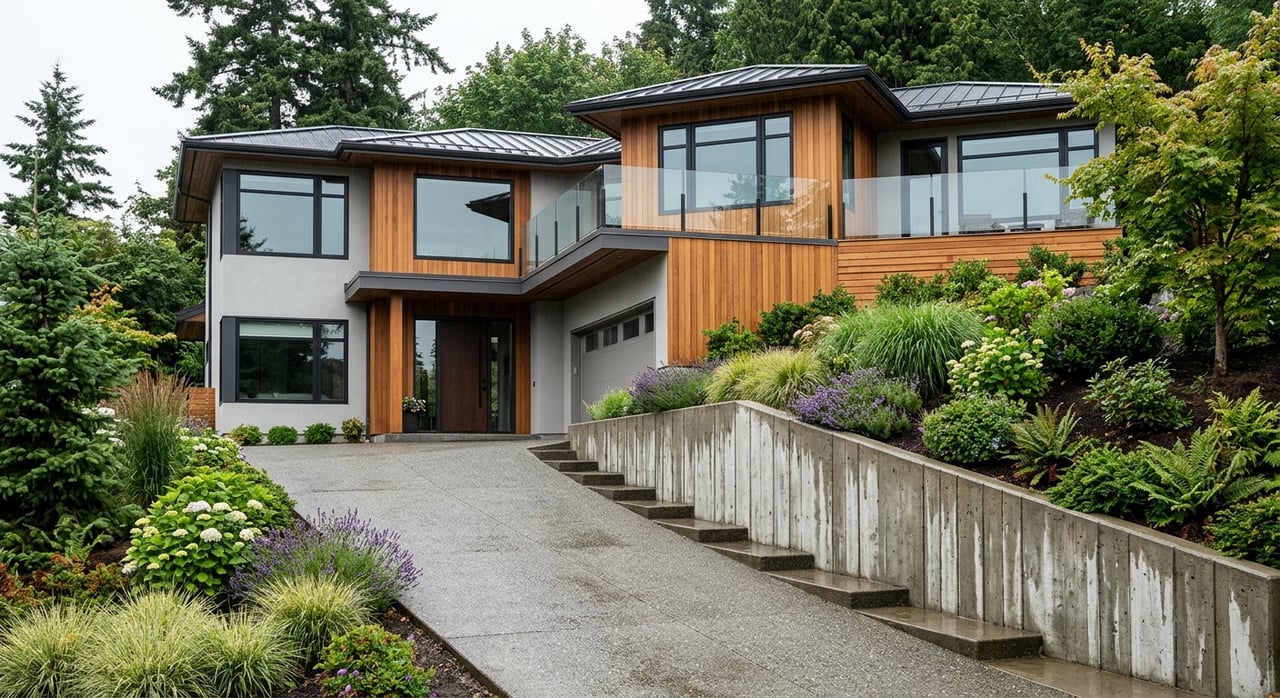
Pacifica’s housing stock varies a lot from one area to another. This is not a city where one neighborhood tells the whole story, and that is important if you are trying to match your lifestyle, budget, and home preferences.
The city’s neighborhood guide describes a wide mix of home types and settings. Fairmont is known for largely developer-built homes and broad views, Edgemar includes newer homes and cliffside condos, and Linda Mar is known for many 1950s and 1960s tract homes. Sharp Park includes converted cottages, modern custom homes, narrow one-way streets, and the city’s only mobile home park, while Pedro Point is known for one-of-a-kind hillside homes on very narrow streets.
Pacifica’s housing costs help explain its position in the market. Census Bureau QuickFacts estimates an owner-occupied housing rate of 67.7%, a median owner-occupied home value of $1,249,800, and a median gross rent of $3,098.
For buyers and sellers, those numbers reinforce that Pacifica is typically seen as a premium coastal market. It is not simply a lower-cost substitute for other Peninsula communities. The value equation here is tied to location, scenery, access, and a housing supply that can be very specific by neighborhood.
The city’s housing materials show a mix that includes single-family homes, ADUs, duplexes, townhomes, condos, and apartment units. That variety can create opportunities for different kinds of buyers, from those looking for a detached home to those prioritizing lower-maintenance living.
At the same time, neighborhood feel can shift quickly from one part of Pacifica to another. Street layout, terrain, home style, and ocean exposure all play a role in how a property lives day to day.
In Pacifica, due diligence can go beyond the usual checklist. Because of the city’s hillsides, coastal weather, and storm exposure, buyers often need to ask practical questions about drainage, slope conditions, access, and insurance alongside broader lifestyle and budget questions.
That is especially true if you are considering a hillside lot, a bluff-adjacent location, or a home in an area with narrow streets. A house can look perfect online and still come with daily-living details that are worth understanding before you commit.
Pacifica’s planning framework is an important part of ownership. The city says its General Plan and zoning code govern land use, density, setbacks, and design standards. For properties in the Coastal Zone, projects must align with the Local Coastal Land Use Plan and may require a Coastal Development Permit under the California Coastal Act.
If you are thinking about remodeling, adding on, or changing how a property is used, those rules matter. This is one reason local guidance can be especially valuable in Pacifica, where location-specific regulations may affect what is possible.
If you are selling in Pacifica, the lifestyle story matters just as much as the square footage. Buyers are often drawn to the coast, trail access, views, and small-town feel, but they also want honest clarity about commute patterns, weather, and property-specific factors.
The strongest marketing usually presents both sides well. That means highlighting access to beaches, parks, and regional connections while also preparing for buyer questions about fog, exposure, lot conditions, and any planning considerations tied to the property.
Pacifica’s identity is more than scenery. The city promotes community amenities including a community center, skatepark, pier, promenade, golf course, and recreation facilities, and local events help reinforce that active small-town atmosphere.
One of the best-known examples is the Pacific Coast Fog Festival, held each September. Community involvement also shows up through ongoing efforts like the Pacifica Beach Coalition’s monthly beach cleanups, which reflect the city’s strong connection to its coastline.
For many people, this is what makes Pacifica memorable after the home search starts. The city feels lived-in and participatory, not just picturesque.
If you are weighing a move to Pacifica or preparing to sell there, local context can make all the difference. The right strategy starts with understanding how commute patterns, neighborhood character, coastal conditions, and buyer expectations all come together in this market. For thoughtful guidance tailored to your goals, connect with Sarah Ravella.
Stay up to date on the latest real estate trends.
We pride ourselves in providing personalized solutions that bring our clients closer to their dream properties and enhance their long-term wealth.