Thinking about listing your San Carlos home this spring? With more buyers touring and quick decision timelines, the way you prepare can make a big difference in your final sale price. You want a clear plan that fits your schedule and budget, and you want to avoid last-minute surprises. This guide gives you a practical, room-by-room checklist, a week-by-week timeline, and smart places to invest so you net top dollar with less stress. Let’s dive in.
Why prep matters in San Carlos
San Carlos sits between San Francisco and Silicon Valley, so buyers often value commute options, Caltrain access, walkability, and usable outdoor space. In this market, presentation and move-in readiness directly influence offers. Small visible defects can trigger buyer hesitation or price cuts, especially at San Mateo County price points where expectations are high.
Spring is traditionally the busiest selling season on the Peninsula. More buyers are out, urgency rises, and well-prepped homes often draw stronger interest. Begin your prep 6 to 8 weeks before your target list date to allow time for repairs, staging, and photography.
Your 6 to 8 week timeline
Use this as a starting framework and adjust to your home’s needs.
Weeks 1 to 2: Plan and gather
- Walkthrough with your listing team to identify quick wins and must-do fixes.
- Compile permits, receipts, past inspection reports, utility bills, HOA docs, and known improvements.
- Start required disclosures like the Transfer Disclosure Statement and Natural Hazard Disclosure, and identify any special hazard zones to disclose.
- Begin vendor scheduling and create a master checklist.
Weeks 2 to 4: Declutter and upgrade
- Declutter, donate, or store items to open up rooms and closets.
- Knock out cosmetic repairs: paint touch-ups, patching, hardware, and lighting.
- Refresh landscaping, clean gutters, and pressure-wash exterior surfaces.
Weeks 3 to 5: Inspect and confirm systems
- Schedule HVAC, roof, termite if indicated, and sewer lateral inspections as needed.
- Consider a pre-listing inspection to reduce buyer objections and speed escrow.
- Confirm staging and photography dates.
Weeks 5 to 6: Stage and launch
- Deep clean, wash windows, and complete staging setup.
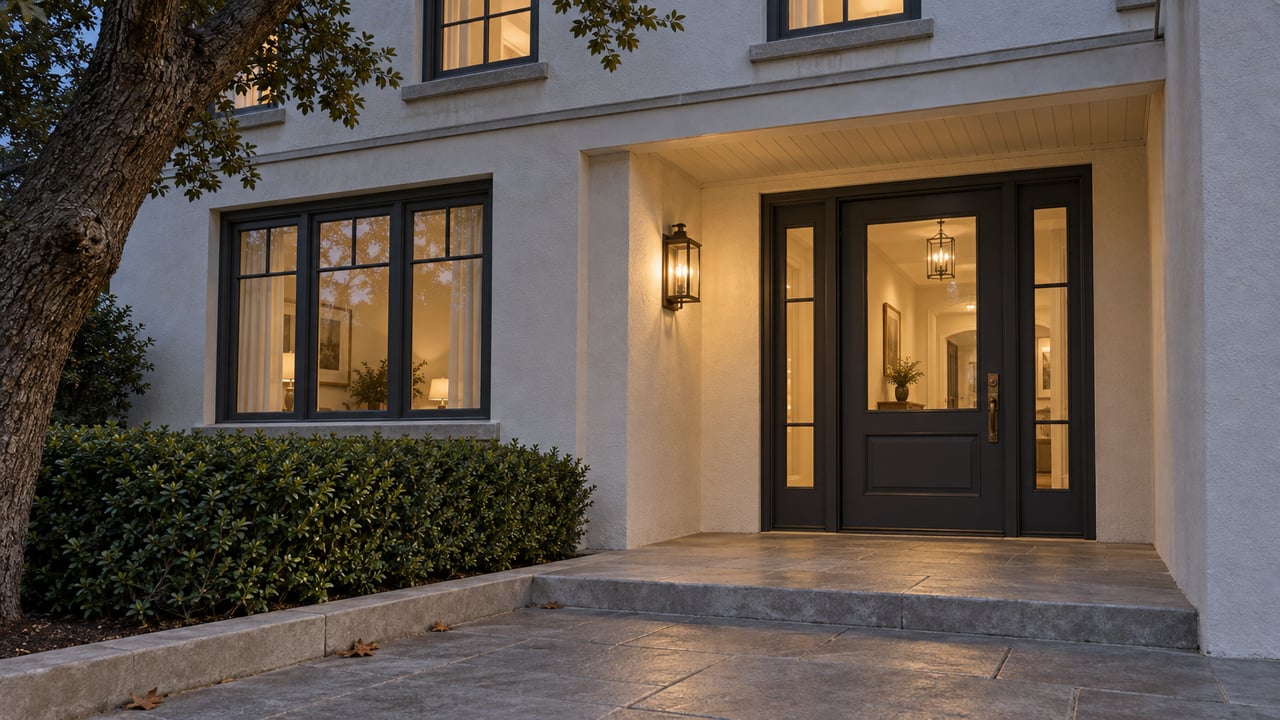
- Capture professional photos, including twilight and a floor plan or virtual tour if possible.
- Finalize pricing and prepare open house and marketing plan.
Legal and disclosure checklist
California sellers have specific duties. Getting these right early builds buyer confidence and protects your timeline.
- Required state disclosures:
- Transfer Disclosure Statement. Disclose known material facts about the property.
- Natural Hazard Disclosure. Identify hazards such as flood, seismic, or fire zones where applicable.
- Lead-based paint disclosure for homes built before 1978.
- Permits and records:
- Confirm permits for remodels, additions, and ADUs. Disclose any unpermitted work. Some issues may require correction or retrospective permits.
- Check City of San Carlos Building Division and San Mateo County records for guidance on converted spaces and permit status.
- Safety compliance:
- Install and test smoke and carbon monoxide alarms per state and local guidance.
- Verify water heater bracing and seismic strapping.
- Tenant-occupied homes:
- Review notice requirements for showings and any tenant protections that affect timing.
- Pre-listing inspections:
- Consider general, roof, HVAC, and sewer lateral inspections to uncover issues and decide whether to repair, credit, or price accordingly.
Room-by-room prep checklist
Focus on low to mid-cost items that create strong visual impact and remove buyer friction.
Curb appeal and exterior
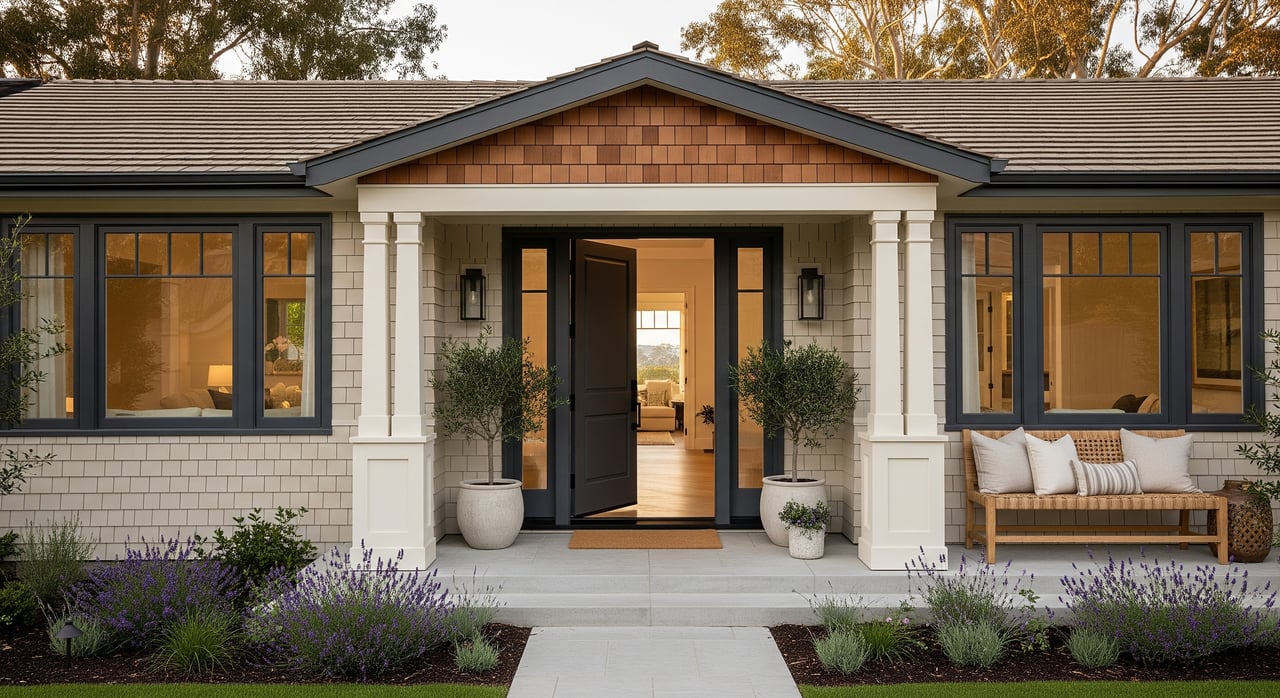
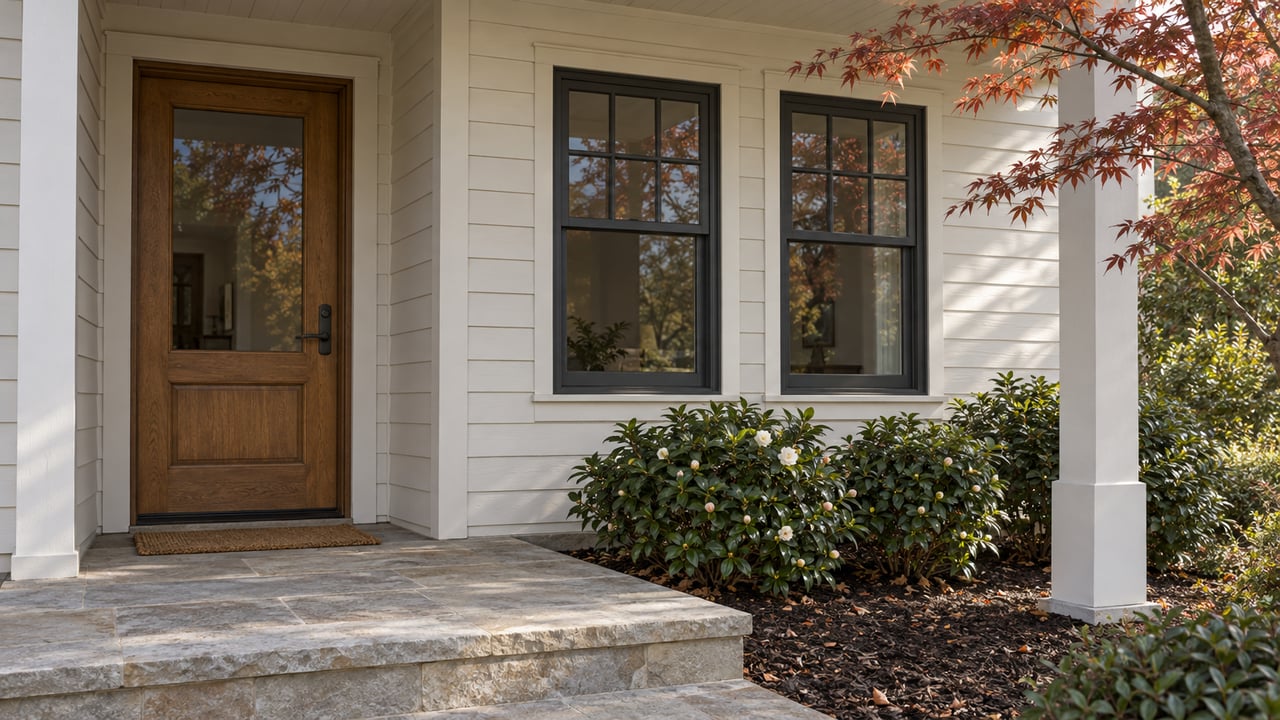
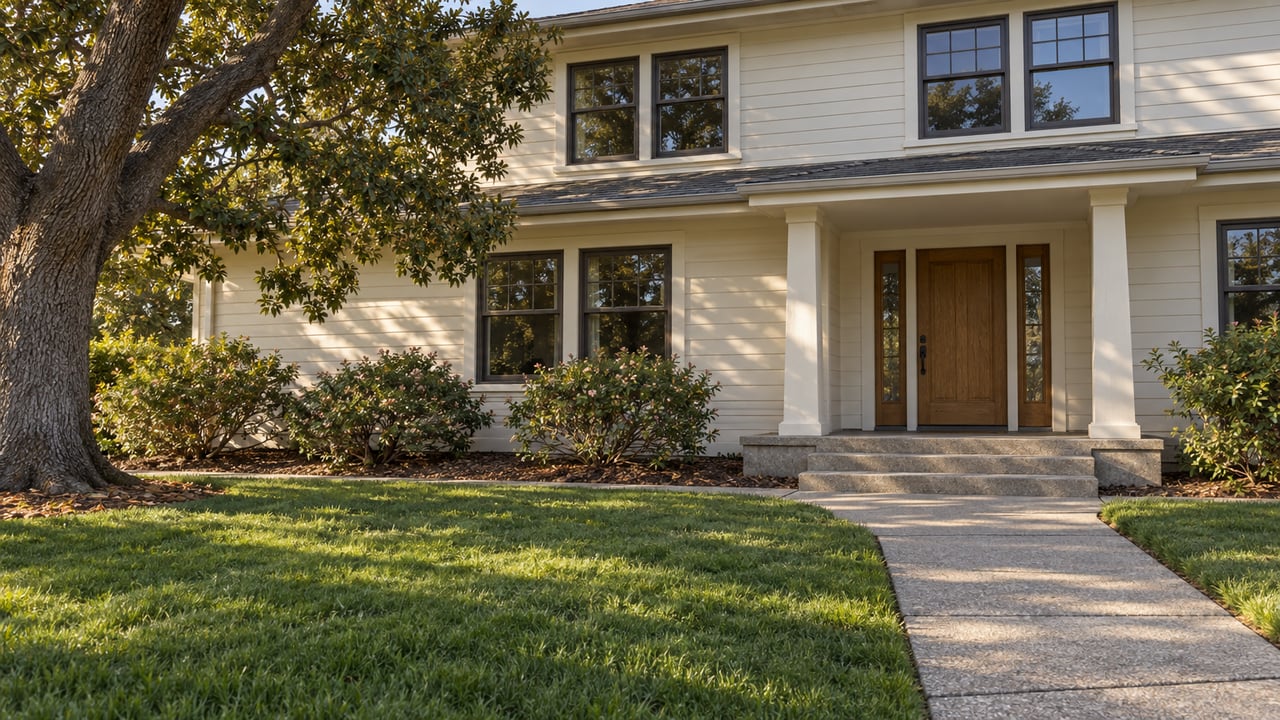
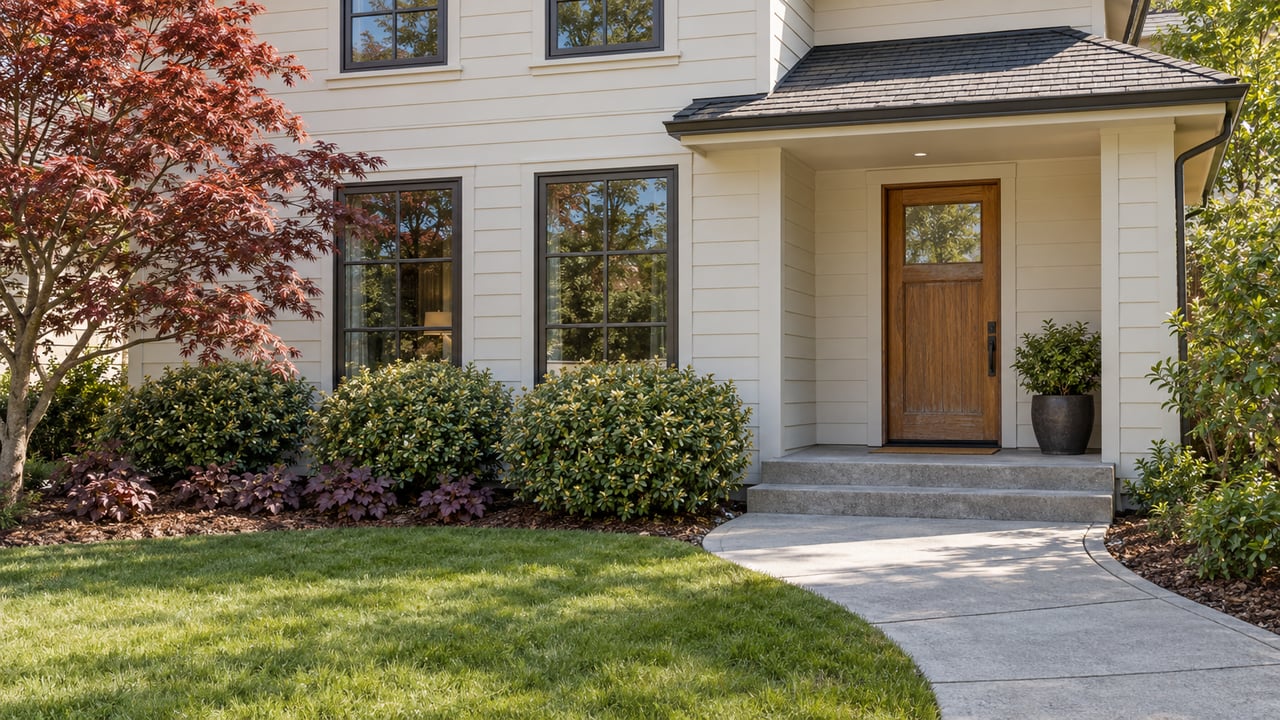
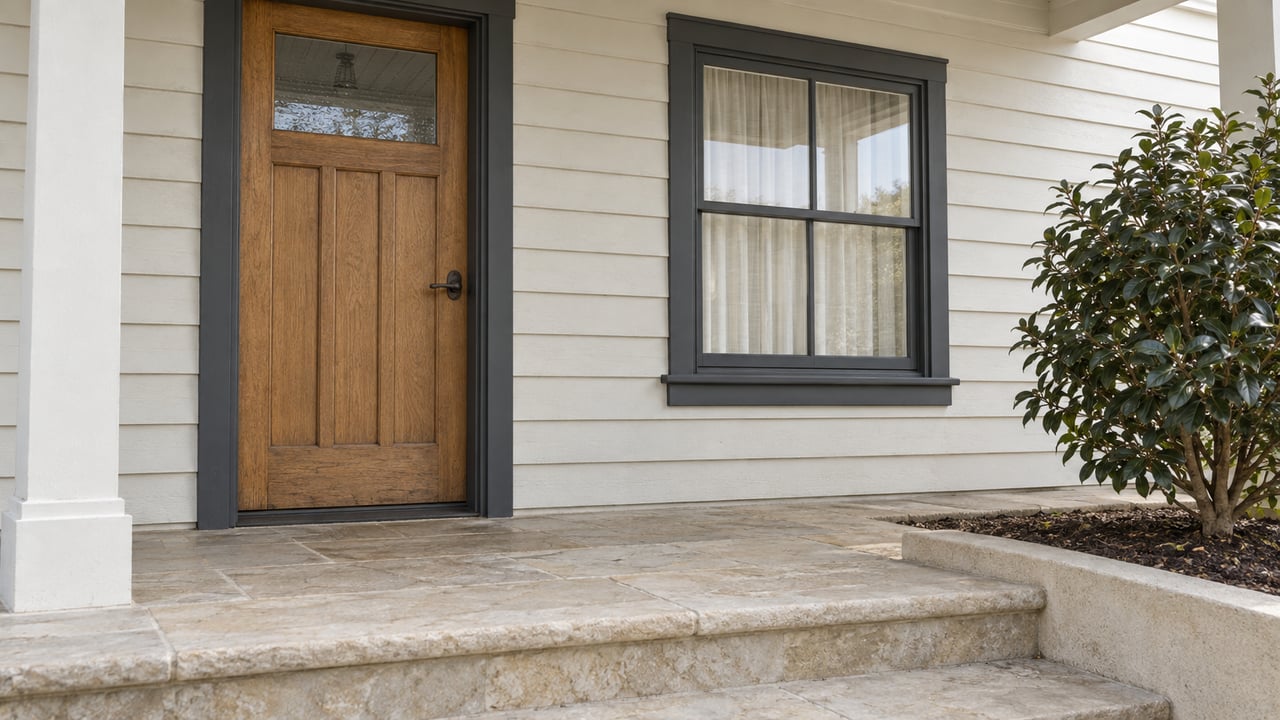
- Quick wins: pressure-wash, clean gutters, trim hedges, mow, add fresh mulch and seasonal potted plants. Repaint or refinish the front door and ensure exterior lighting works.
- Typical costs: landscape refresh 500 to 2,500; front door paint or refinish 150 to 600; pressure-wash 150 to 350.
- Why it matters: First impressions set the tone and can shorten days on market.
Entry, living, and dining
- Quick wins: declutter, remove extra furniture, add warm LED bulbs, and repair minor wall or ceiling cracks. Touch up with neutral paint.
- Typical costs: interior paint per room 300 to 1,200; lighting 50 to 600 per fixture.
- Why it matters: Light, open spaces read as larger and more move-in ready.
Kitchen
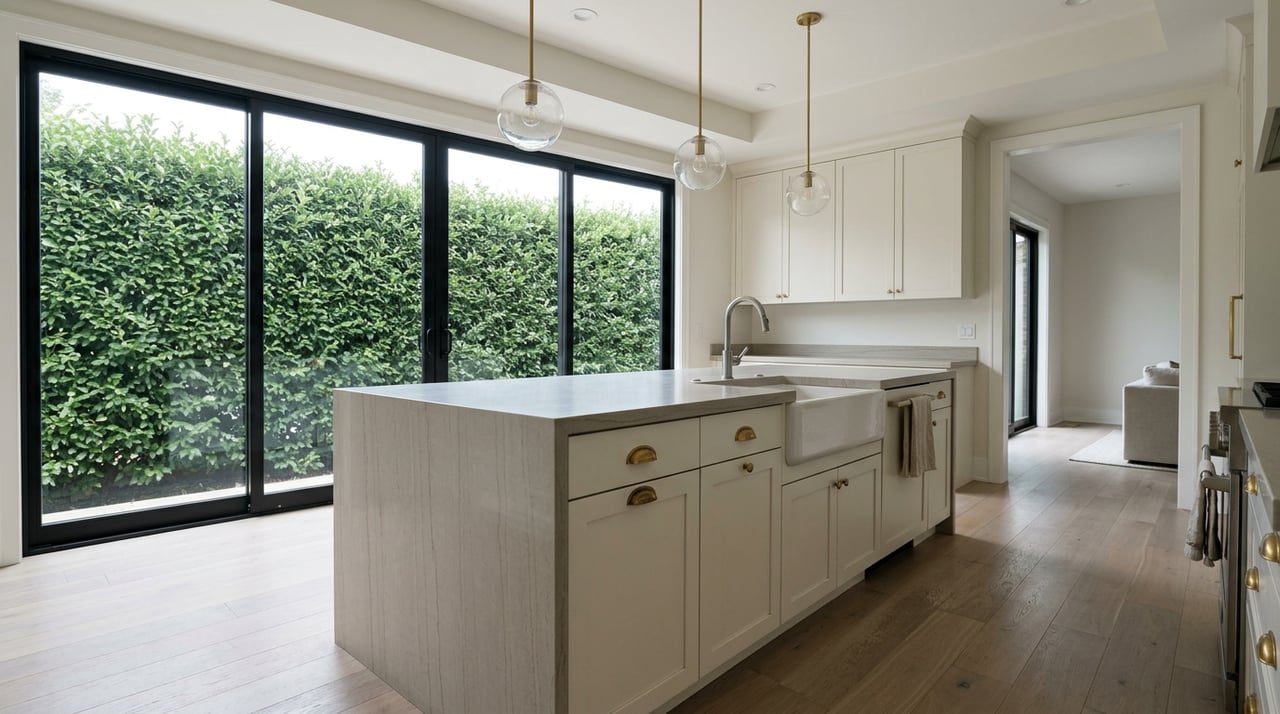
- Quick wins: deep clean, clear counters, swap cabinet hardware, re-grout where needed, update faucets, and ensure all appliances function.
- Cost-smart upgrades: paint or reface cabinets, refresh backsplash, or update counters if worn. Cosmetic updates often run 1,000 to 6,000. A minor remodel may range 15,000 to 40,000 depending on scope.
- Why it matters: Kitchens weigh heavily in buyer decisions, especially on the Peninsula.
Bathrooms
- Quick wins: re-caulk tubs and showers, re-grout tile, replace dated lights or mirrors, and service the exhaust fan.
- Typical costs: cosmetic refresh 500 to 4,000; midrange remodel 10,000 to 25,000.
- Why it matters: Spotless, functional baths reduce negotiation points.
Bedrooms and home office
- Quick wins: declutter and define a clear purpose for each room. Clean window coverings and highlight natural light. Stage a flexible office space if possible.
- Why it matters: Buyers look for flexible, functional spaces that support work and rest.
Garage, basement, and attic
- Quick wins: remove storage overflow, add simple shelving and hooks, and ensure the garage door opener works with remotes available.
- Typical costs: basic organization 150 to 1,500.
- Why it matters: Organized storage reassures buyers about capacity.
Systems, roof, and mechanicals
- Quick wins: service HVAC, replace filters, flush water heater, and repair roof flashing or gutters. Keep receipts for recent service.
- Typical costs: HVAC service 100 to 300; water heater service 150 to 400; roof inspection 200 to 600.
- Why it matters: Functioning systems prevent appraisal and escrow delays.
Energy, EV, and convenience features
- Consider adding or confirming EV readiness with pre-wiring or a Level 2 charger. Installation often ranges 500 to 3,000 depending on electrical work.
- Smart thermostat or insulation upgrades can help differentiate your home when comps include similar features.
- Why it matters: EV and energy features are increasingly attractive to local buyers.
Staging and photography
- Staging: partial staging often ranges 800 to 1,800 per month; full staging can run 2,000 to 5,000 or more depending on size and inventory.
- Photography: hire a professional and capture twilight exteriors and a floor plan or virtual tour.
- Why it matters: Photos drive online interest and in-person traffic, which supports stronger offers.
Vendor sequencing made simple
Follow this sequence to stay efficient and protect your launch date:
- Structural and safety items first, including roof, HVAC, electrical, or termite issues.
- Permitted corrections or disclosures regarding any unpermitted work.
- Cosmetic improvements such as paint, hardware, and minor touch-ups.
- Landscaping and curb appeal.
- Staging and final clean.
- Photography, MLS input, and open house prep.
A two-agent team can speed this up by booking vendors in parallel, attending on-site work for quality control, and handling contingencies if a contractor needs to be swapped without delaying photos or staging.
Where to invest vs. where to save
- High priority, high impact:
- Deep clean and declutter.
- Neutral paint, inside and key exterior touch-ups.
- Better lighting and clear counters in the kitchen.
- Fix visible defects like peeling trim, leaky faucets, or damaged screens.
- Landscaping for strong curb appeal.
- Mid priority, case by case:
- Kitchen cosmetic upgrades like refaced cabinets, new hardware, or counters.
- Bathroom refreshes and updated fixtures.
- Staging, especially for vacant homes or tricky layouts.
- Lower priority or situational:
- Full remodels of kitchens or baths. Consider only if comps show a clear payback.
- Major energy retrofits just for resale. Highlight them if already installed.
- Replacing major systems solely for listing unless inspections flag lender or safety issues.
Rule of thumb: focus on visible, functional improvements that elevate presentation and reduce buyer friction.
Solve objections before they arise
Address common buyer concerns in advance and you increase your leverage when offers come in.
- We do not want repairs. Complete a pre-listing inspection, fix key items, or offer a targeted credit. This reduces back-and-forth later.
- The kitchen or baths look dated. Use cost-smart lifts like paint, hardware, lighting, and counters instead of full gut renovations.
- Storage seems tight. Declutter and show organized closets and garage systems to prove capacity.
- Yard feels neglected. Refresh landscaping and entry lighting for a welcoming first impression.
Quick cost and inspection cheat sheet
- Declutter and cleaning: 0 to 800
- Interior paint per room: 300 to 1,200
- Exterior touch-up and pressure-wash: 150 to 1,000
- Landscaping refresh: 500 to 3,000
- Staging: partial 800 to 1,800 per month; full 2,000 to 5,000 plus per month
- Pre-listing general inspection: 300 to 700
- Roof inspection: 200 to 600
- Sewer lateral inspection: 400 to 1,000
- HVAC service: 100 to 300
- EV Level 2 installation: 500 to 3,000
- Professional photos and floor plan: 300 to 900
Note: Peninsula vendor pricing often lands at the upper end of national ranges. Always get multiple bids.
Launch with the power of two
A smooth listing is about planning and coverage. With a two-agent model, one person can manage vendors and on-site details while the other handles pricing strategy, marketing, and buyer outreach. That redundancy improves responsiveness, protects your timeline, and helps you hit the market at full strength. Paired with luxury brokerage exposure, your home gets premium presentation and broader reach.
Ready to create your custom San Carlos prep plan? Reach out for a walk-through, timeline, and budget map tailored to your goals. Connect with Sarah Ravella to Request a Concierge Home Consultation.
FAQs
When should I start prepping to sell in San Carlos?
- Start 6 to 8 weeks before your target spring list date to allow for inspections, repairs, staging, and photography.
Do I need a full remodel to net top dollar?
- Usually no; targeted cosmetic upgrades and repairs to visible defects deliver stronger ROI than full gut renovations in most cases.
Are pre-listing inspections worth it for sellers?
- Yes; they reveal issues early, reduce buyer negotiation leverage, and can speed escrow.
What disclosures are required for California home sales?
- At minimum, the Transfer Disclosure Statement and Natural Hazard Disclosure, plus lead-based paint for pre-1978 homes and disclosure of known unpermitted work.
How much does staging matter in San Carlos?
- Staging often shortens time on market and can boost offers, especially when buyers rely on photos and quick first impressions.
Should I install an EV charger before listing?
- Consider EV pre-wiring or a Level 2 charger if comparable homes offer similar features; it is a draw for many Peninsula buyers.