Redwood City's Sewer Lateral Requirement: What Sellers Should Know
September 3, 2026
September 3, 2026
A March 2026 report from Palo Alto Online and The Almanac says Redwood City adopted its own point-of-sale lateral ordinance. A San Mateo County plumbing contractor who tracks this exact question across every Peninsula city, and who has a financial incentive to know the answer cold, tried to confirm the city's position directly and came back empty. Their public guidance, last verified in July 2026, tells clients to call the city and ask before assuming either way.
That's an unusual thing to admit in an industry built on sounding certain. It's also the most useful fact in this whole story, because it tells you something the ordinance status alone never could: the real risk in Redwood City isn't a piece of paper, it's the pipe in the ground.
The sewer lateral is the pipe that carries wastewater from a house to the sanitary sewer main in the street. Redwood City's own public works department splits it into two segments. The lower lateral runs from the property line to the sewer main and is the city's responsibility to maintain. The upper lateral, everything from the property line back into the house including the plumbing itself, belongs to the homeowner, certificate or no certificate.
Point-of-sale lateral ordinances exist because a lot of Bay Area sewer pipe is old. Many neighborhoods were built between the 1950s and 1970s using clay pipe or a tar-paper composite called Orangeburg, both of which degrade with age and root intrusion. Pacifica was the first Peninsula city to adopt a sale-triggered lateral ordinance, after discovering that failing lines were leaking untreated sewage into groundwater and eventually into the Pacific Ocean. Once that precedent existed, other cities followed with their own versions.
Burlingame's version, still on the books today, requires a lateral infiltration test before certain property sales. San Mateo runs a similar ordinance and pairs it with a rebate program to help homeowners cover the cost of a full replacement. Millbrae runs a smaller rebate aimed at code upgrades and at-risk lines. These aren't hypothetical rules sitting in a code book somewhere. They're active conditions of closing in the cities that have them.
Redwood City's own sewer FAQ page, while detailed on permits, cleanouts, and maintenance responsibility, doesn't spell out a sale-triggered testing requirement one way or the other.
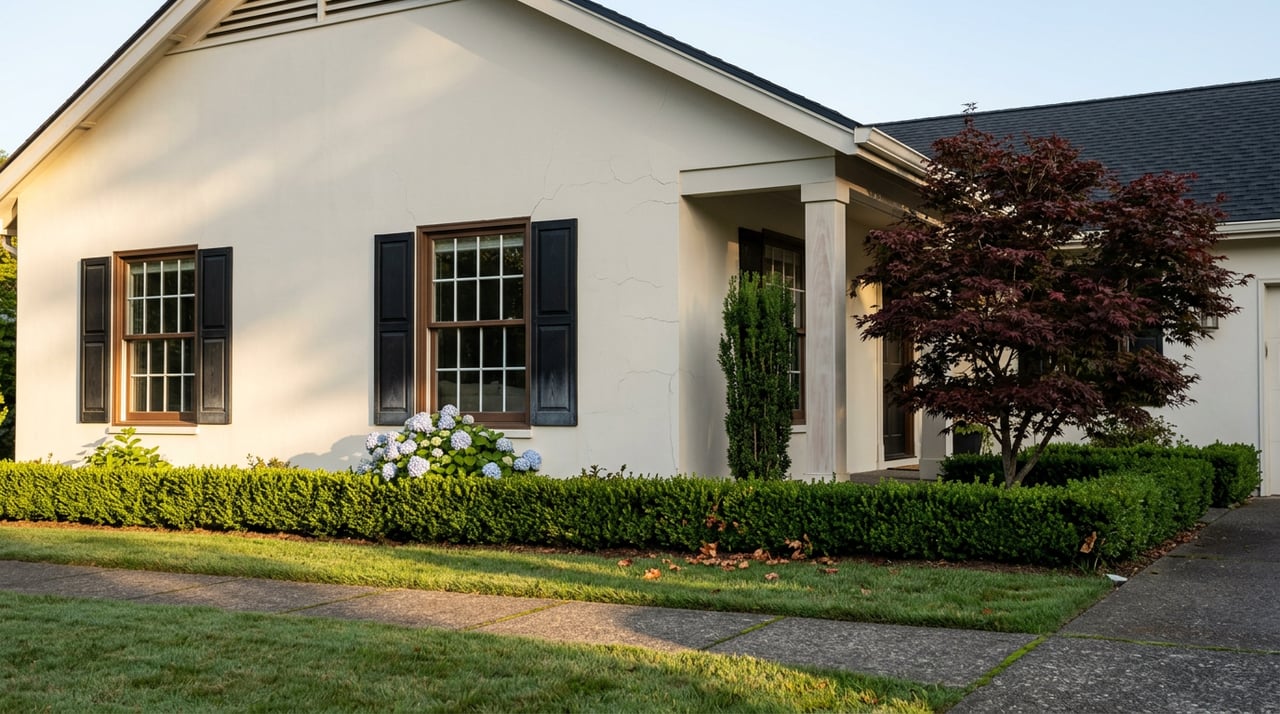
Here's where the ordinance debate becomes almost beside the point. Redwood City's housing stock skews old. Roughly 44 percent of homes in the city were built before 1960, which puts a meaningful share of the local inventory squarely in the era when clay and cast iron laterals were standard practice. Neighborhoods like Mount Carmel, Edgewood Park, Friendly Acres, and Woodside Plaza carry a lot of that older stock, the kind where a lateral has never been camera-scoped simply because nothing ever forced the question.
That means a Redwood City seller in one of these neighborhoods faces the same physical odds as a seller in San Mateo or Burlingame, even if the paperwork obligation is murkier. A cracked or root-choked lateral doesn't wait for a city council to settle a definitional dispute. It backs up drains, it fails a buyer's independent inspection, and it turns into a renegotiation regardless of what any compliance table says.
Redwood City's resale market has stayed tight through the middle of 2026. Homes sold in the three months ending June 2026 carried a median price of $1.9 million and moved in around 12 days, with a sale-to-list ratio that put sellers firmly in control. That pace is good news for a seller's net proceeds, but it compresses the window for discovering something like a failing lateral before it becomes a closing-week emergency.
In a market where offers come in within two weeks of listing and escrows move fast behind them, a sewer lateral surprise can leave almost no room to negotiate calmly. It leaves room to panic.
A standard general home inspection in Redwood City runs around $785. Add a specialized sewer lateral camera scope alongside pest and roof inspections, and the realistic budget climbs to $1,500 to $2,000. That's a modest cost against a $1.9 million transaction, and it buys something a fast market doesn't otherwise give you: time to fix a problem instead of discovering it during move-out week.
Call before you list. Redwood City's Engineering and Construction Division can be reached at (650) 780-7380. Ask directly whether a lateral test or certificate applies to your sale. Don't rely on a compliance table that may be a year out of date.
Scope the line early, not after an offer. If your home was built before 1980, order a camera inspection of the sewer lateral during your pre-listing prep, or as one of the first calls you make once you're in contract as a buyer. Finding a problem in week one gives you options. Finding it in week two gives you an ultimatum.
Know who pulls the permit. According to Redwood City's sewer FAQ, any lateral repair in Redwood City requires a permit, issued at City Hall, 1017 Middlefield Road, and a city engineer must inspect the completed work before it's considered code compliant. Factor that review step into your timeline if repairs are needed.
Keep the paperwork for your disclosure packet. Whether or not a certificate is legally required, permit records, repair receipts, and any inspection reports belong in the file you hand to a buyer. It's the kind of documentation that heads off a dispute later, ordinance debate or not.
Who is responsible for the sewer lateral, the buyer or the seller? Under Redwood City's own definitions, the upper lateral, everything from the property line into the house, is the property owner's responsibility at all times. That doesn't change based on a pending sale.
Does this affect my Transfer Disclosure Statement? According to the California Department of Real Estate's 2026 Real Estate Law excerpts, if you know about a lateral issue, it belongs in your disclosure regardless of whether a city ordinance forces the inspection. California's disclosure law asks what you know, not just what a local ordinance requires you to test.
What if my house is newer, built after 1980? Newer construction is less likely to carry original clay or Orangeburg pipe, but it's still worth a quick call to the city to confirm your specific obligations, especially if the property has changed hands with any unpermitted plumbing work along the way.
The unresolved status of Redwood City's ordinance isn't a loophole. It's a reminder that the paperwork question and the physical question are two different things, and only one of them is guaranteed to surface eventually. Sellers who treat this like a certificate city, scoping the line early and documenting the result, tend to walk into escrow with fewer surprises than sellers who wait to find out which source was right.
If you're weighing a sale or a purchase in Redwood City and want a second set of eyes on the details that don't show up on a listing sheet, Rachel & Sarah can walk you through what your specific neighborhood, and your specific pipe, are likely to mean for your timeline. Request a Concierge Home Consultation and we'll help you get ahead of it.
This article is general information, not legal, tax or financial advice. Consult a qualified professional about your situation.
Stay up to date on the latest real estate trends.


We pride ourselves in providing personalized solutions that bring our clients closer to their dream properties and enhance their long-term wealth.