
Foster City Waterfront Living And HOA Basics
April 16, 2026
April 16, 2026
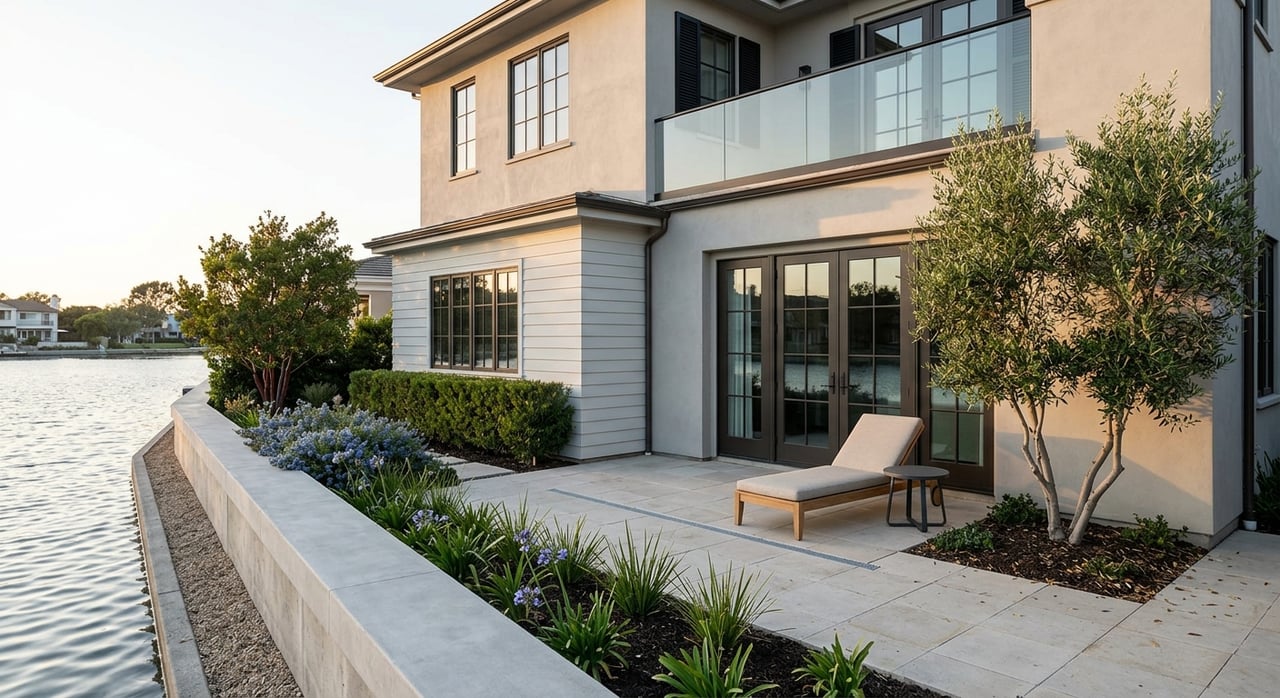
If you are drawn to the idea of waking up near the water without giving up everyday convenience, Foster City deserves a closer look. Its lagoon-centered design creates a different kind of waterfront lifestyle, one that blends recreation, trails, and neighborhood living in a way that feels practical as well as scenic. If you are also weighing an HOA property or a home with shared waterfront features, it helps to understand how ownership, maintenance, and community rules may work before you buy. Let’s dive in.
Foster City is not a typical open-bay waterfront community. Instead, it is built around a city-managed lagoon system that covers more than 200 acres and runs about five miles through the city, according to the City of Foster City parks and water overview. That setup gives many residents everyday access to water views, paths, and recreation rather than limiting the waterfront experience to a small edge of town.
The water is paired with a strong network of public open space. The city says Foster City includes 24 parks and eight miles of levee pedway, which helps make walking, biking, and being outside part of daily life. For many buyers, that is a big part of the appeal because the waterfront here is woven into the broader neighborhood experience.
One reason Foster City stands out is how accessible its water-oriented amenities are. Leo J. Ryan Park offers 20 acres of lawn, lagoon access, a gazebo on the lagoon, and a boat shed with rentals for kayaks, pedal boats, stand-up boards, and windsurfing equipment. That means you do not have to own waterfront equipment to enjoy the setting.
The city also highlights Shorebird Park and the Bay Trail as key parts of the local lifestyle. Foster City’s Bay Trail segment connects south to Redwood Shores and north to San Mateo’s bayshore parks, which adds another layer of day-to-day recreational value. If you like the idea of getting outside without a major weekend plan, that trail access can be a meaningful benefit.
A key thing to understand is that Foster City’s lagoon is not just decorative. According to the city’s lagoon system page, it functions as both a recreation area and a managed stormwater system. Water levels are adjusted seasonally, with water generally raised around mid-March and lowered in mid-November.
That active management matters when you are evaluating a waterfront property. The city says the lagoon averages about six feet in depth, and seasonal adjustments help balance recreation with stormwater needs. In other words, the waterfront experience here is shaped by both lifestyle planning and infrastructure planning.
If you picture boating from a lagoon-front home, it is important to know the local rules. The city’s water activities guidance says gas- and diesel-powered boating is not allowed on the lagoon. Allowed vessels must be sail-powered, electric battery-powered, or human-powered, and the speed limit is 5 mph.
The same guidance says swimming is allowed in all areas, while reminding users to be aware of visibility and surroundings. The county health department regularly tests water near beaches for potential contamination issues. Boat ramps are available at Boat Park and Leo Ryan Park, and small boats may also be launched from other locations.
For buyers, these rules help set expectations. Foster City supports an active waterfront lifestyle, but it is geared toward lower-speed, recreation-focused water use rather than high-speed motorized boating.
Waterfront appeal should always be balanced with practical questions about protection and infrastructure. Foster City states that the levee surrounding most of the outer bay-front perimeter is owned and maintained by the city. The city also reports that its levee improvement project was completed in February 2024.
According to the city, that work was designed to improve storm and tide-surge protection, maintain FEMA accreditation, and provide resilience for future sea-level-rise projections through 2100. For buyers comparing Peninsula waterfront options, that is an important part of the local story. It shows that waterfront living in Foster City is tied to active public planning, not just location and views.
If you are buying in a common interest development, HOA membership is typically automatic. The California Attorney General’s HOA guidance explains that HOAs generally enforce rules, collect fees and assessments, and are governed by an elected board. It also notes that CC&Rs, bylaws, and HOA rules define the rights and restrictions that come with ownership.
For buyers, the first takeaway is simple: do not treat the HOA as a side detail. In a waterfront setting, HOA rules and documents can directly affect how shared spaces are maintained, what exterior changes are allowed, and who is responsible for certain features near the water.
The second takeaway is that not every HOA works the same way. Whether a property is a condominium, a planned development, or another form of common interest development can affect maintenance responsibilities and owner obligations. That is why document review matters so much before you close.
In California, maintenance duties often depend on the governing documents, but Civil Code section 4775 provides a default framework unless the declaration says otherwise. In general, the association maintains the common area, the owner maintains the separate interest, and the owner maintains exclusive-use common area while the association repairs and replaces it.
That may sound technical, but it becomes very real when a property has waterfront elements. Features like docks, gangways, walkways, bulkheads, or seawall-adjacent improvements may not all fall under the same category. A buyer should understand exactly which items are owned privately, shared through the HOA, or regulated by the city.
This is one of the biggest reasons waterfront purchases deserve careful review. The beauty of a lagoon-facing home is obvious, but the legal and maintenance details behind that setting can vary from one property to another.
Foster City’s dock policy offers a useful example of how specific waterfront ownership can be. The city’s boat dock policy says privately owned residential boat docks and access gangways or ramps may be allowed, but only with Architectural Review permit approval and subject to design criteria.
The policy also says docks must be independently anchored, account for seasonal water-level changes, and cannot extend into publicly owned water. It also includes rules such as no overnight docking, no live-aboards, and no storage of non-nautical items.
That tells you something important as a buyer: even if a home appears to have direct water access, that does not automatically mean every waterfront improvement is unrestricted or fully private. The exact rights and obligations should be confirmed through the property documents, HOA materials if applicable, and city rules.
If you are seriously considering Foster City waterfront property, these are smart questions to ask early:
The California Department of Real Estate specifically advises buyers to review the governing documents and budget, and to pay close attention to reserve studies. That is especially important when shared amenities or waterfront components may require major future repairs.
It can also help to understand how Foster City differs from nearby Peninsula waterfront communities. The City of Redwood City’s information on Redwood Shores lagoon describes that lagoon as a stormwater retention pond, with boating available only to residents and or by permission of the community association, and no gas-powered boats allowed.
By contrast, Foster City feels more public-facing and recreation-forward. Its combination of public parks, public boat ramps, equipment rentals, trail connections, and a city-managed lagoon system creates a distinct experience. If you want waterfront living that feels integrated into daily routines and public amenities, Foster City may stand out in your search.
The right Foster City waterfront home is about more than a beautiful setting. You also want clarity on rules, maintenance, long-term costs, and how the water features are managed over time. When you look at the full picture, you are in a much better position to decide whether a home truly fits your lifestyle and comfort level.
That is where having local guidance can make a real difference. If you want help evaluating Foster City homes, reviewing what makes one waterfront property different from another, or planning your next Peninsula move, connect with Sarah Ravella. A thoughtful, well-informed strategy can help you enjoy the waterfront lifestyle with fewer surprises.
Stay up to date on the latest real estate trends.



We pride ourselves in providing personalized solutions that bring our clients closer to their dream properties and enhance their long-term wealth.