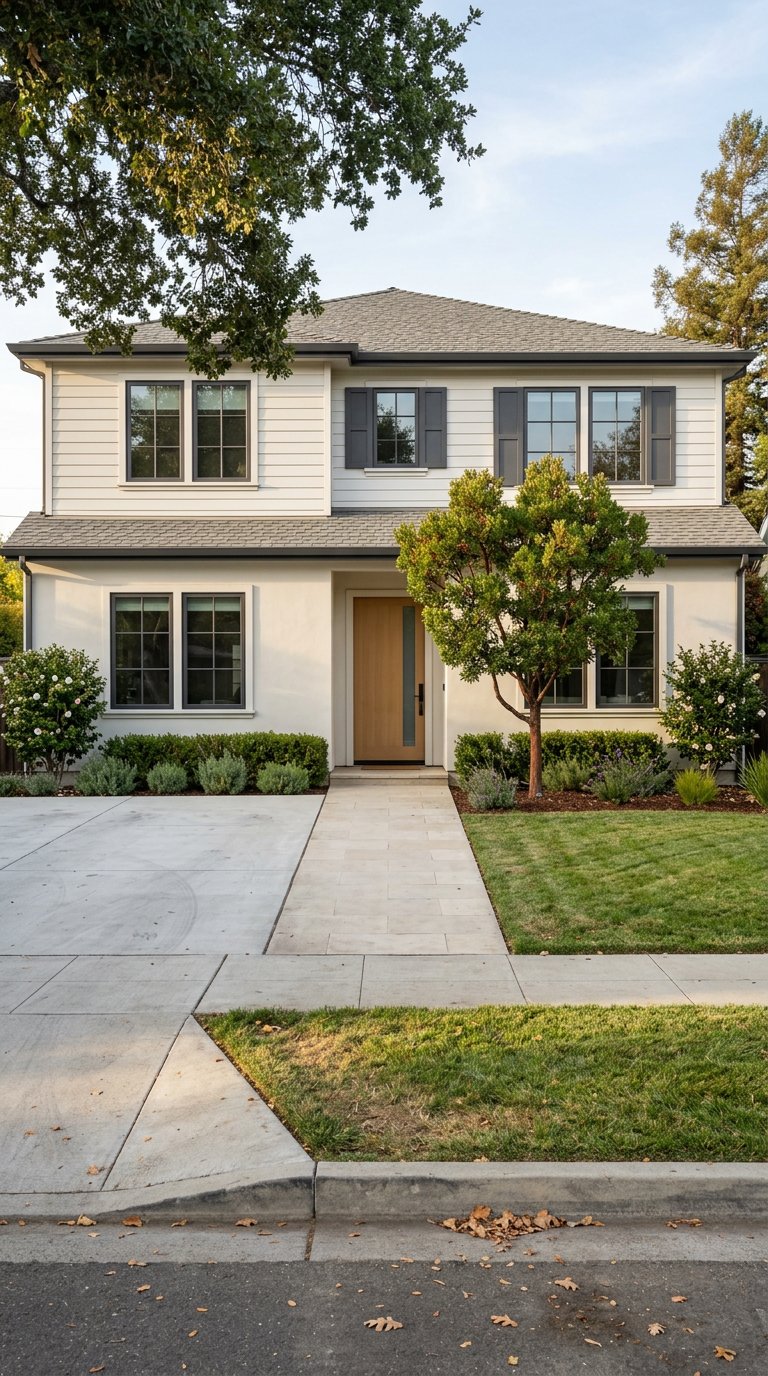
What It’s Like Living In Burlingame
March 24, 2026
March 24, 2026
Picture a Saturday on Burlingame Avenue. You grab a latte, browse local boutiques, and stroll under mature trees while neighbors catch up at the farmers market. If you want a small-city feel with quick access to San Francisco and Silicon Valley, Burlingame delivers. In this guide, you will learn what daily life looks like, how the neighborhoods differ, what commutes really take, how schools are organized, and what to expect for home prices. Let’s dive in.
Burlingame sits in San Mateo County on the San Francisco Peninsula, a short drive north of San Francisco International Airport and roughly midway between San Francisco and major Silicon Valley job centers. The population is about 31,000 based on recent Census estimates, with a median household income around $168,832 and a per-capita income near $97,803. You will find a high share of owner-occupied homes and established residential streets throughout the city. For a quick data snapshot, explore the Census QuickFacts overview for Burlingame.
According to the U.S. Census, Burlingame’s population and income profile reflect a stable, affluent small city with a strong homeowner base. You can review the latest figures on the Census QuickFacts page for Burlingame for updated counts and estimates.
Downtown Burlingame centers on Burlingame Avenue and nearby blocks, plus a separate Broadway retail corridor. You can walk to cafés, bakeries, boutiques, and restaurants in a tight, attractive core that draws people from across the Peninsula. The downtown business district promotes regular events, seasonal markets, and walkable loops that make the area feel like a true neighborhood hub. If you want to see what is happening now, check the current programming from the Downtown Burlingame BID.
Washington Park, a short walk from downtown, is the city’s flagship green space. It offers a playground, tennis courts, open lawn areas, a dog area, and community programming managed by the city. For more nature, the nearby hills and canyon trails offer quick escapes that feel a world away from downtown’s buzz. You can preview amenities and location on the City of Burlingame’s Washington Park page.
If you value leaving the car at home, downtown Burlingame ranks highly for walkability. Walk Score shows downtown addresses in the 90s, and many surrounding neighborhoods rate “very walkable” depending on the block. Biking works well for short trips, though hillier areas vary in bike-friendliness. To get a feel for block-by-block convenience, view the Walk Score map centered on downtown Burlingame.
Street festivals, seasonal markets, a pet parade, and concerts give Burlingame an easy social rhythm. These recurring events pull neighbors to the avenues and make it simple to build community in the course of everyday errands. The Downtown Burlingame BID updates event calendars so you can plan around what you enjoy most.
Public elementary and middle schools are part of the Burlingame Elementary School District, which feeds into Burlingame High School in the San Mateo Union High School District. Families often prioritize Burlingame for its well-regarded K–8 experience and the continuity through high school. Burlingame Intermediate has earned National Blue Ribbon recognition in past cycles, a point of pride in the community.
School performance and attendance boundaries can change year to year, so it is smart to review district resources and accountability reports when you plan a move. You can start with the Burlingame Elementary School District overview on GreatSchools and then explore school-level pages for current details.
Burlingame is served by Caltrain, which connects you north to San Francisco and south across the Peninsula. Service patterns vary by local, limited, and express trains, and recent improvements have boosted frequency. Many residents combine Caltrain with local buses or shuttles, or simply drive depending on schedule and work location. For an overview of the rail system, review Caltrain’s background and service description.
By car, you have fast access to US 101 and I 280. SFO is only a few miles away, so airport trips are simple. Typical commute ranges to downtown San Francisco can run about 20 to 45 minutes depending on whether you take Caltrain or drive and the time of day. Southbound commutes to major employers in the South Bay vary widely with traffic, so it is always best to check live mapping or transit schedules before you go.
Every Burlingame neighborhood has its own mix of lot sizes, architecture, and walkability. That mix often explains price differences.
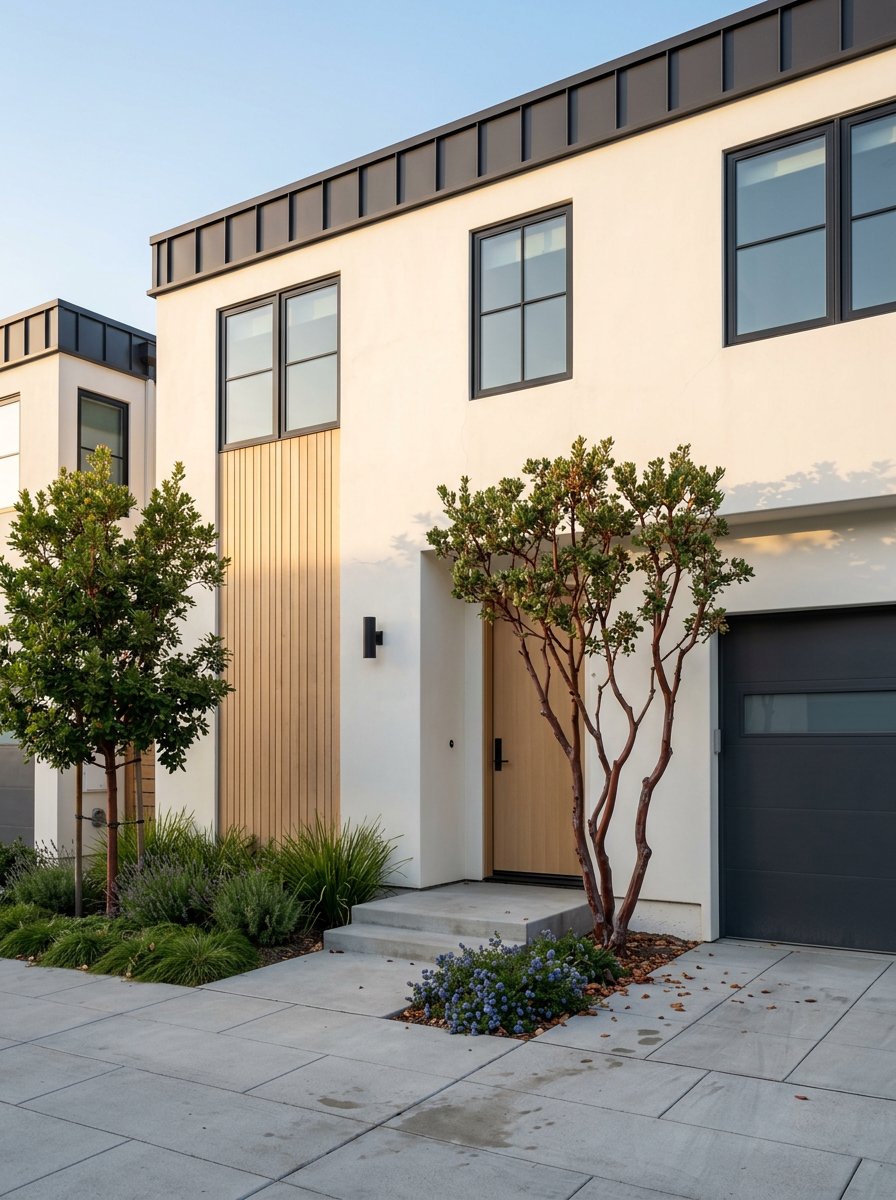
If you want a car-light lifestyle, the streets around Burlingame Avenue put cafés, restaurants, and Caltrain within a short walk. You will find a blend of classic homes nearby along with small condo and townhome buildings that can be a more attainable entry point.
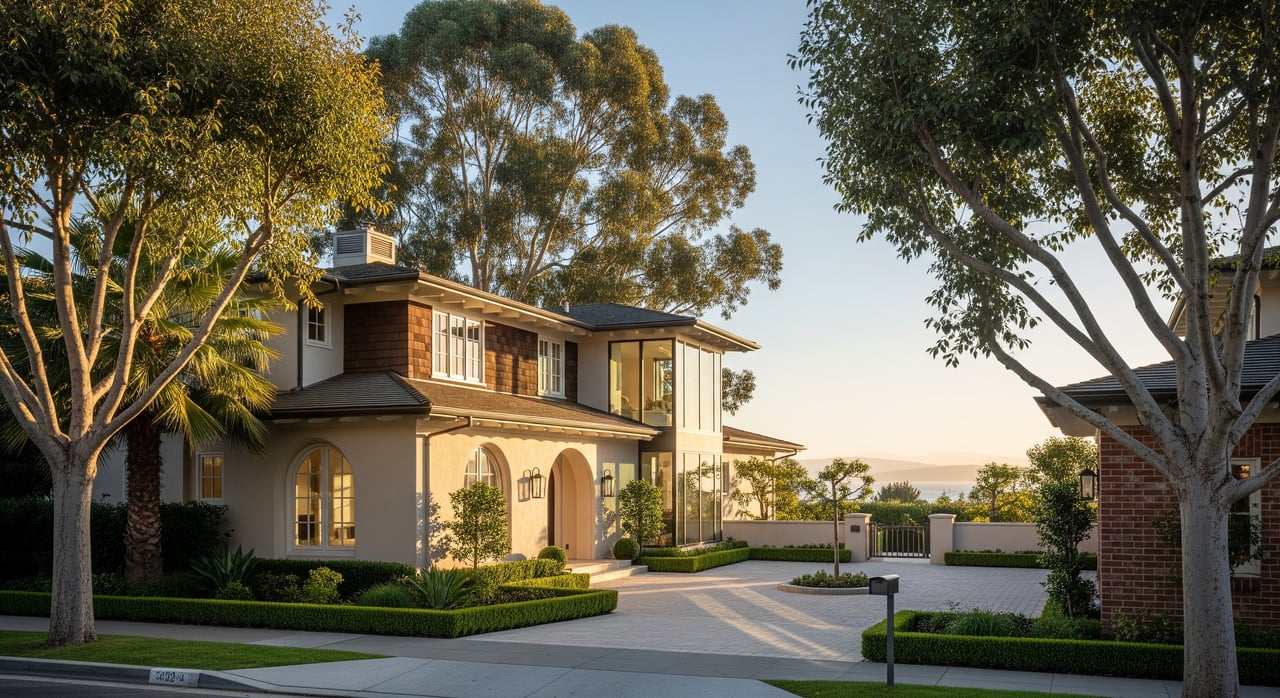
These established neighborhoods offer tree-lined streets, period architecture like Tudors, Craftsman bungalows, and Spanish or Colonial Revival homes, and easy access to downtown. Many blocks score well for walkability, which makes school drop-off, dinner out, or a quick coffee very convenient.
Known for elegant streets and a broad mix of architectural styles, Easton Addition includes larger homes on well-proportioned lots. Its residential character and proximity to downtown amenities make it a frequent target for move-up buyers.
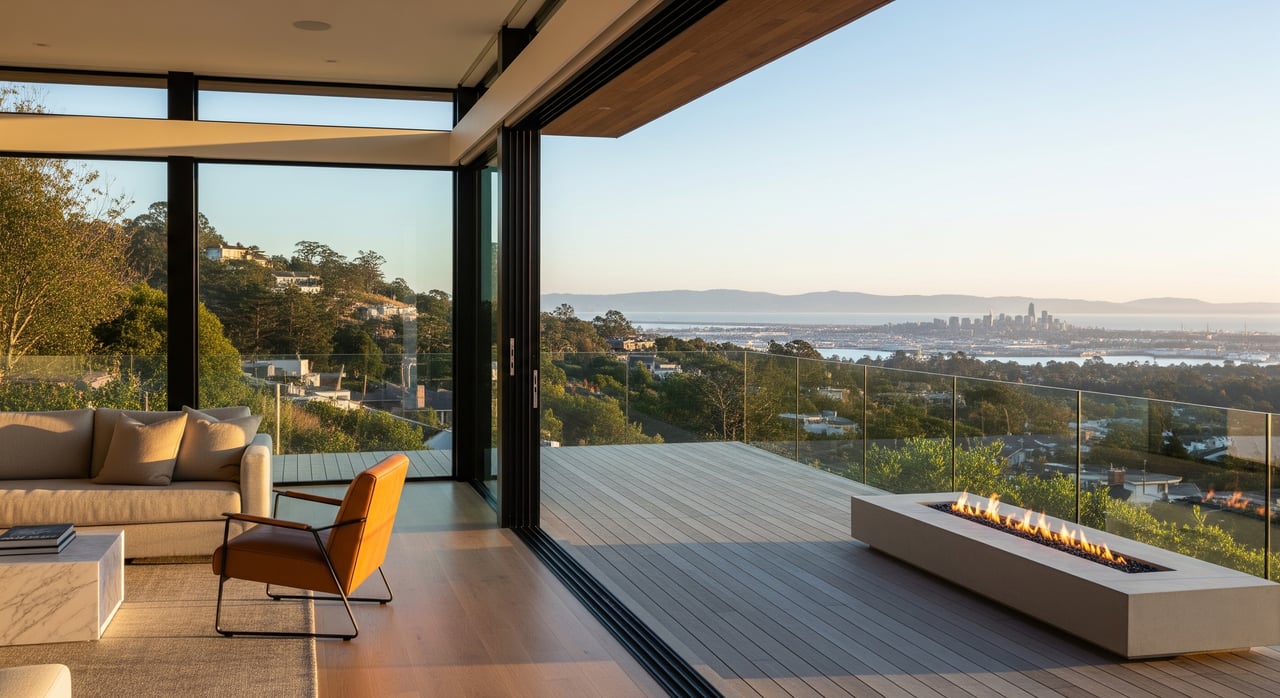
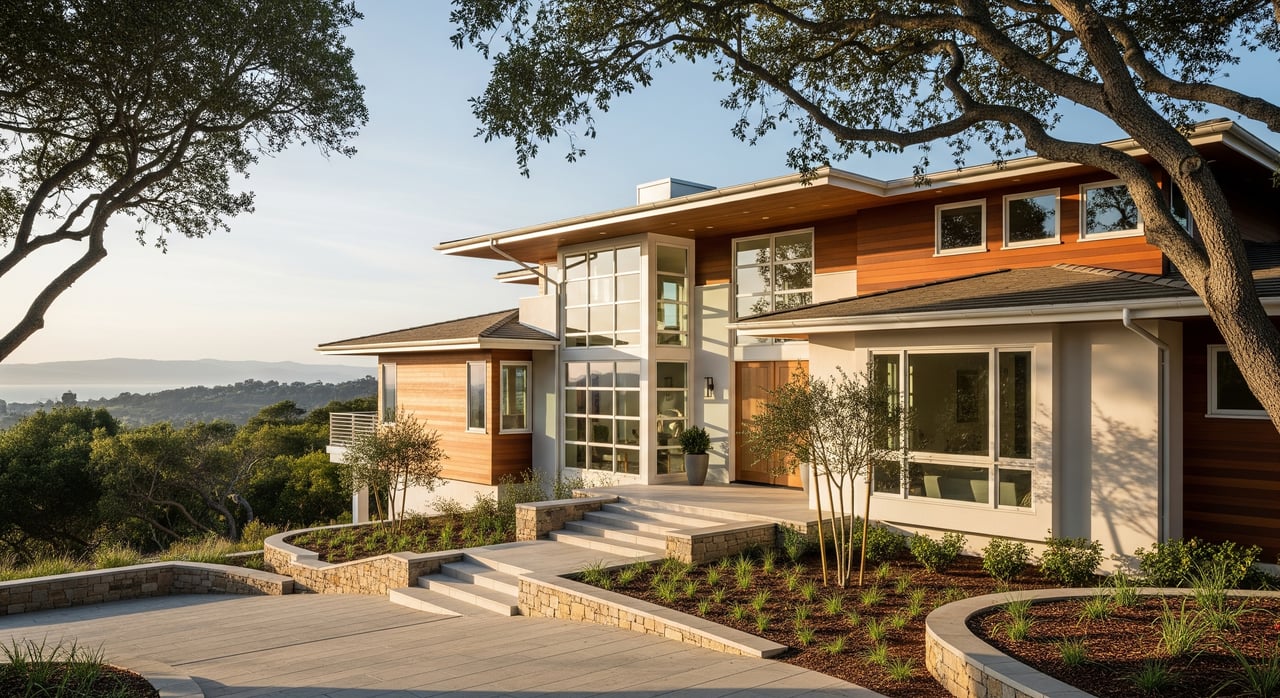
If you want more space, views, and a hillside setting, look to Burlingame Hills and Mills Estates. You will see mid-century designs, Mediterranean and Tudor influences, and modern rebuilds on larger lots. Proximity to canyons and open space gives these neighborhoods a quiet, retreat-like feel while keeping you within minutes of shops and schools.
Close to Broadway’s local shops and services, Burlingame Village has a friendly residential vibe with convenient access to the 101 corridor and SFO. It is a practical base if you travel often or prefer a quick hop to the airport.
Burlingame is a premium Peninsula market with limited inventory and steady demand. As of early 2026, widely used market dashboards indicate that typical single-family sale prices often land in the mid 2 million to 4 million range depending on neighborhood, lot size, and condition. Condos and townhomes are generally less expensive than single-family homes and can offer a lower entry point near downtown and transit. Sources like Redfin, Zillow, PropertyShark, and Realtor.com publish different snapshots, so always note the metric, the provider, and the date when you compare figures.
For context, recent sold-data snapshots show fast market times and competitive list-to-sale dynamics in Burlingame. Seasonality and mortgage-rate swings can shift your leverage, so it helps to review current comps and strategy before you write an offer. If you plan to move up from a condo to a single-family home, you will want to align pricing, timing, and financing with an expert who watches the block-by-block trends.
Buying or selling in Burlingame is both practical and personal. With the right plan, you can time a sale, target the right neighborhood, and compete with confidence.
Ready to explore homes or map a move-up plan tailored to your timeline? Let’s talk through neighborhoods, schools, pricing, and off-market options that fit your goals. Connect with Rachel & Sarah to Request a Concierge Home Consultation and start your Burlingame plan with a clear, step-by-step path.
References and helpful links in this guide: Downtown Burlingame BID events, Washington Park amenities, Census QuickFacts for Burlingame, Walk Score map, GreatSchools district overview, Caltrain overview.
Stay up to date on the latest real estate trends.
We pride ourselves in providing personalized solutions that bring our clients closer to their dream properties and enhance their long-term wealth.