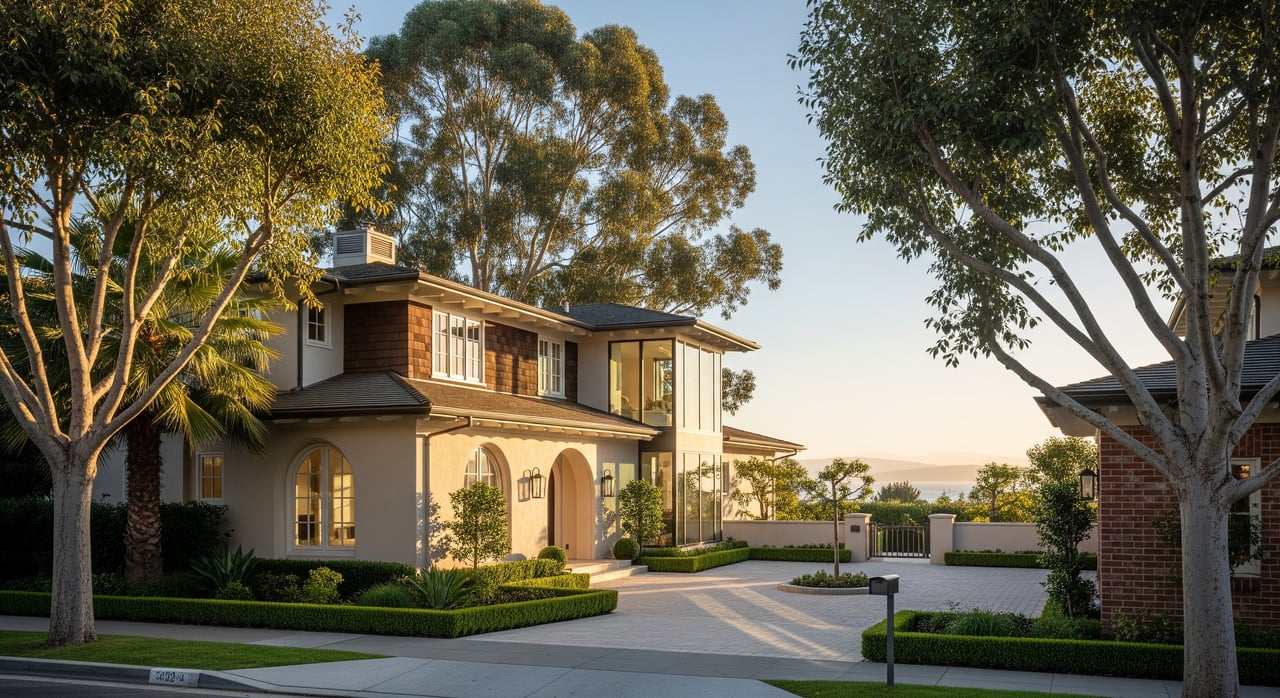
Is your Belmont home on a sunny flat lot near Caltrain, or perched on a hillside with sweeping views and a long driveway? That micro-location choice can shift your price band more than you might expect. If you are weighing list price, light improvements, or a bigger remodel, you need a clear, local framework to avoid mispricing. In this guide, you will learn how hills vs. flats, lot usability, and condition move your home into different price bands, and how to pick a pricing tactic that fits your goals. Let’s dive in.
Belmont micro-location that moves value
Hills vs. flats
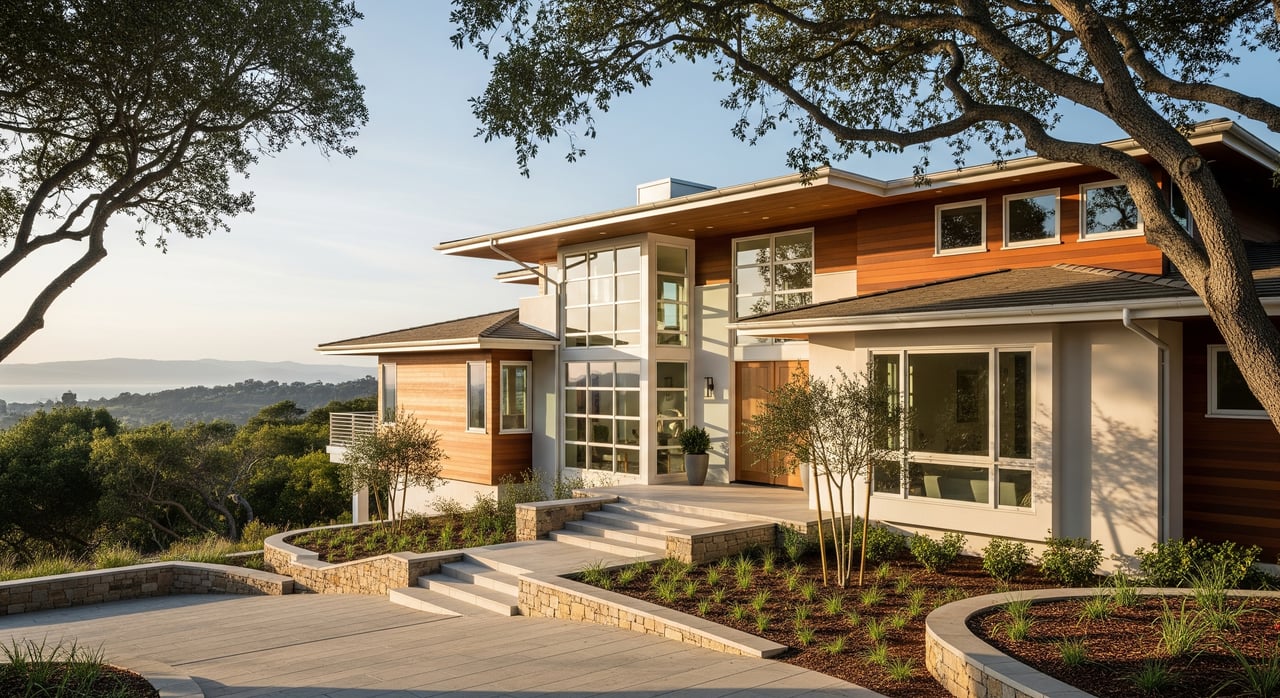
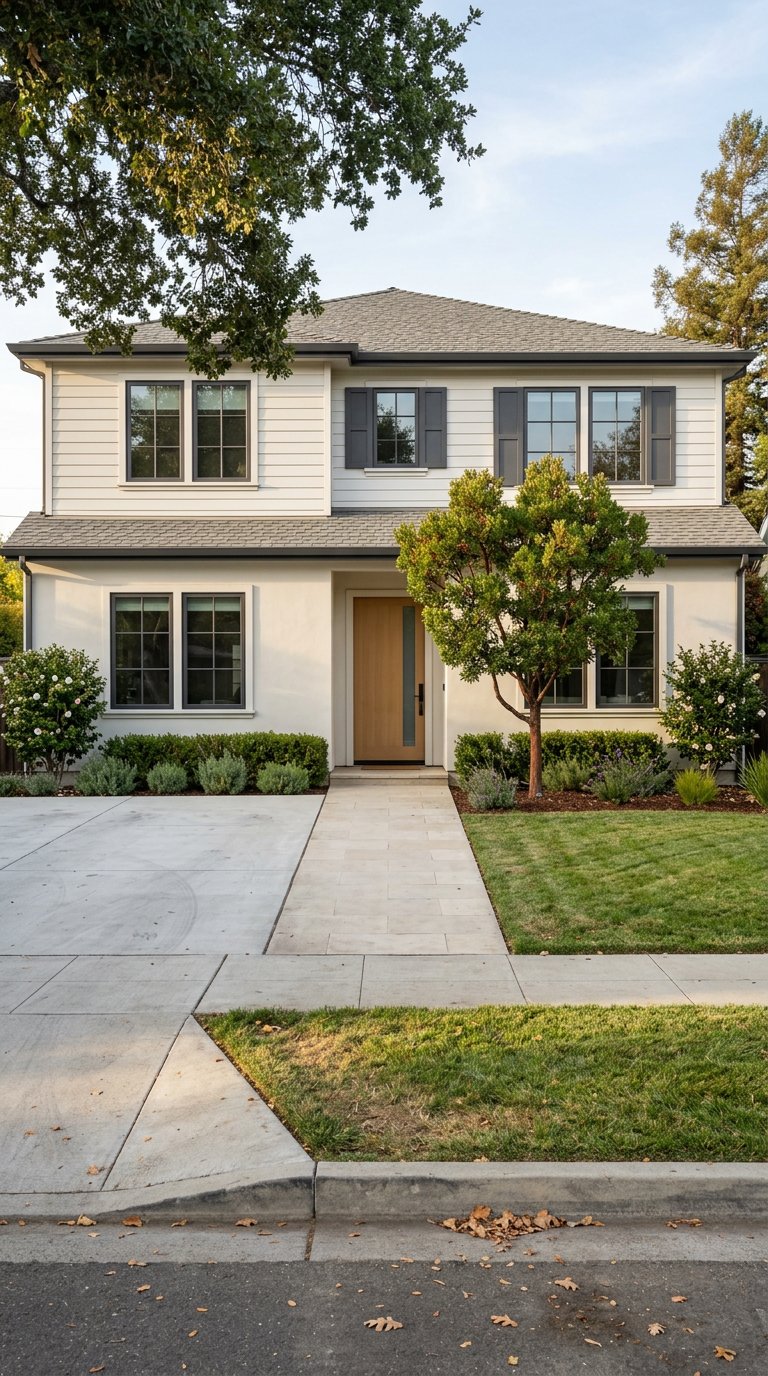
Hillside homes can earn a premium when the views and privacy are clear and the access is reasonable. Steep stairs, narrow streets, or tricky parking can erase those premiums. Flats typically appeal to more buyers who want easier everyday living and outdoor space.
Commute access and walkability
Living near the Belmont Caltrain station or with quick access to Highway 101 or 92 often helps value. Buyers who commute or split time between offices pay attention to minutes saved. These homes may draw a tighter pool of serious buyers comparing the same commute nodes.
Lot usability and orientation
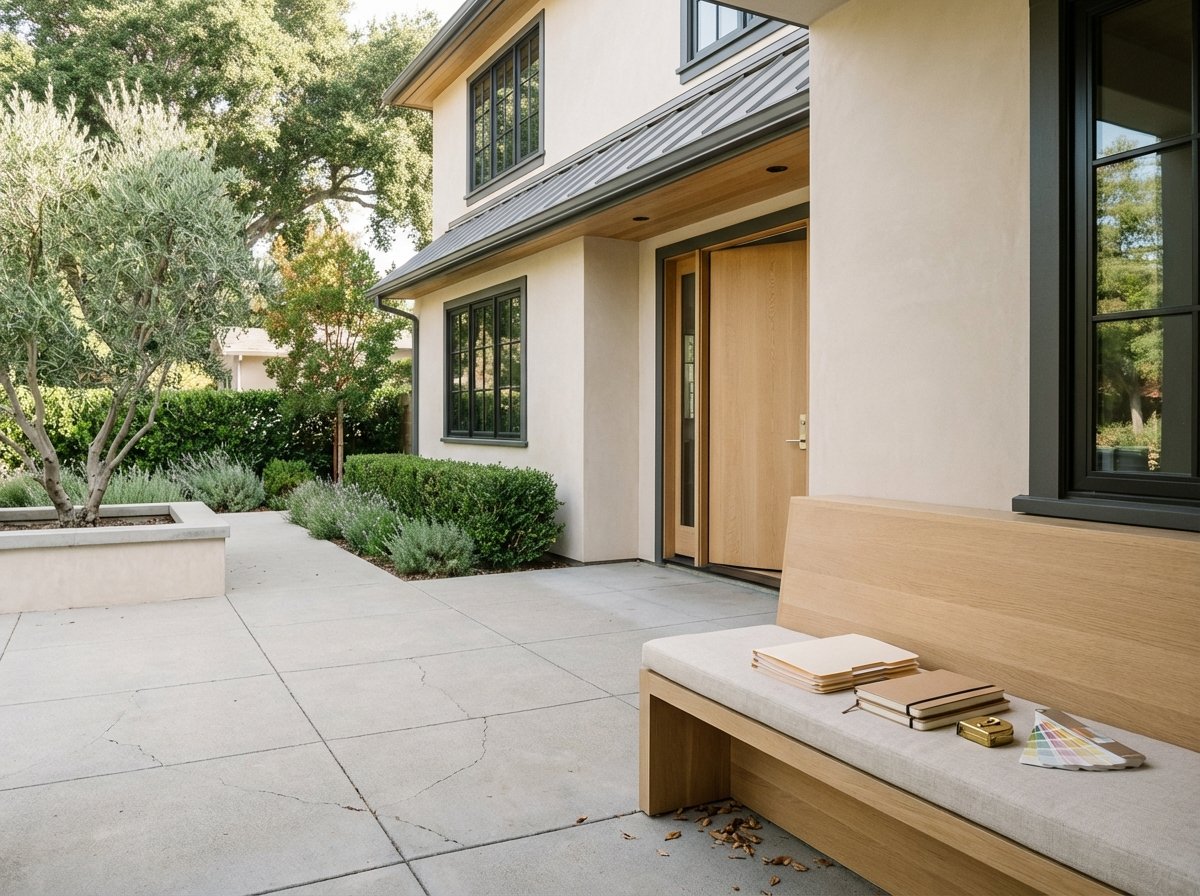
A flat, usable backyard that works for play, entertaining, or a potential ADU can widen your buyer pool. Terraced or steep lots reduce utility even if the total lot size is similar. Sun exposure and privacy also matter for how the space lives day to day.
Views, privacy, and exposure
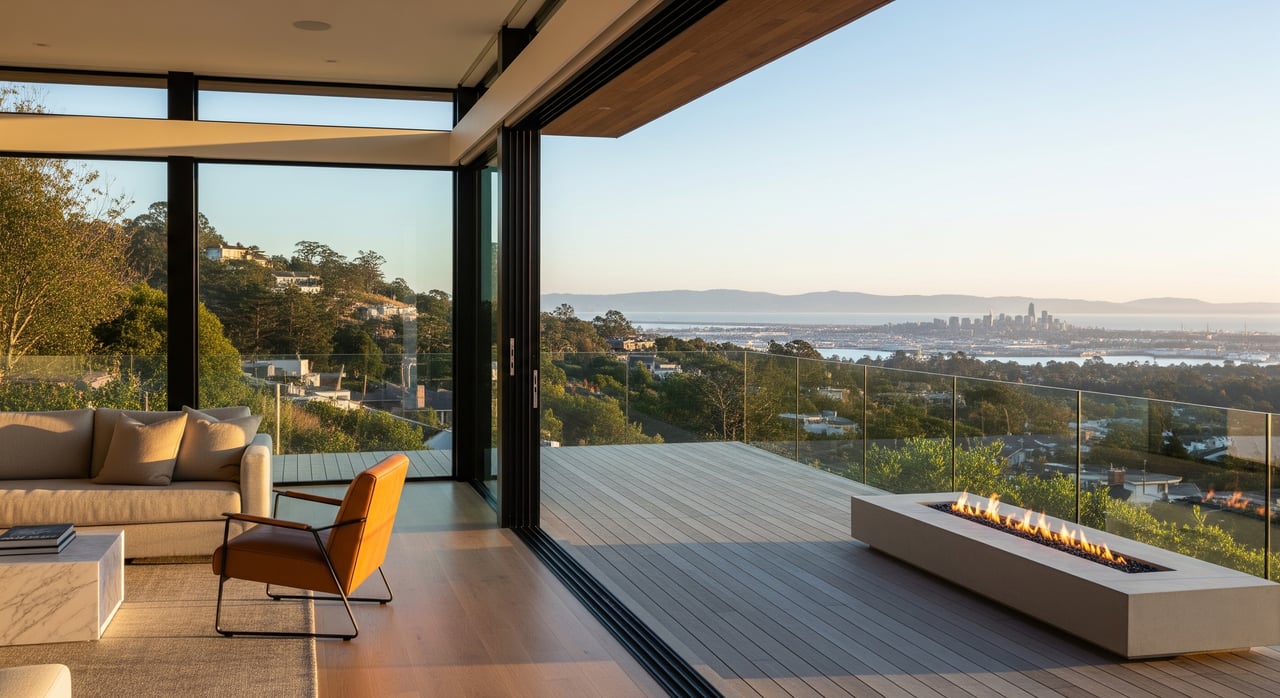
Long views toward the Bay or hills can be a distinct premium in Belmont. The value depends on the clarity of sightlines and whether the view is likely to remain. If trees or future development could block it, buyers often discount for that risk.
Condition, layout, and systems
Updated kitchens and baths, a modern layout, and well-maintained systems change how your home competes. Foundation, roof, windows, HVAC, and seismic upgrades influence both buyer confidence and appraisal. Original-condition homes trade in a different band than renovated ones with the same square footage.
ADU potential and constraints
Room for an ADU or a permitted expansion can boost appeal. Steep slopes, retaining wall needs, or sensitive areas can add cost and narrow the buyer pool. Buyers will factor in permit feasibility and timelines.
Convert features into price bands
Below is a practical way to think about bands in Belmont without quoting exact numbers. Use it to align your home’s features with likely buyer appetite.
Entry band: as-is or constrained lots
- Original or lightly updated homes where buyers plan to renovate.
- Hillside properties with steep access, many stairs, or limited parking.
- Lots that are sloped or irregular with limited usable yard.
- Target audience is renovators, investors, and buyers seeking value.
Middle band: broad appeal move-up homes
- Flats near commute corridors or amenities with a usable backyard.
- Functional layouts with partial updates and solid systems.
- Balanced hillside homes with manageable access and partial views.
- Target audience is busy families and move-up buyers who value practicality.
Upper band: views or fully renovated
- Hillside properties with strong, lasting views, privacy, and good access.
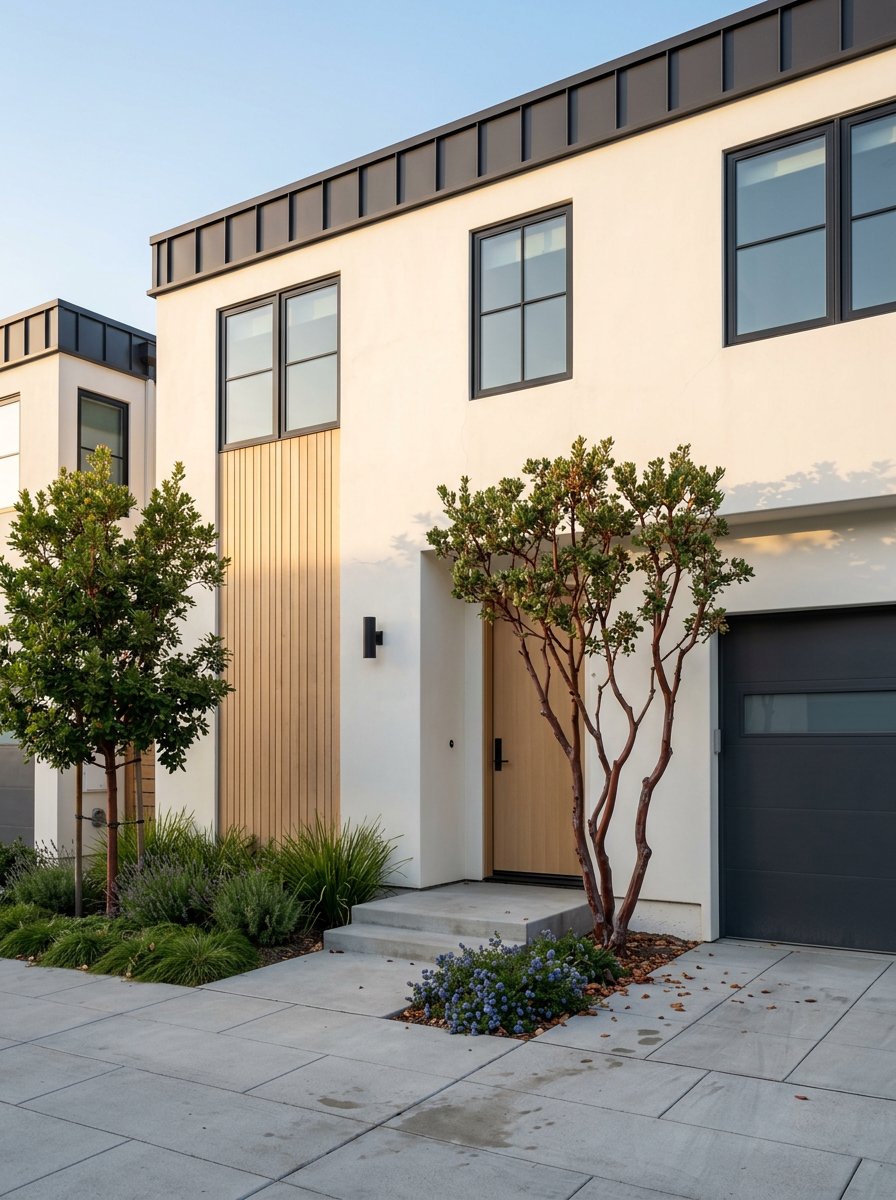
- Flats with high-quality updates plus excellent outdoor living and potential ADU.
- Homes with premium finishes, open layouts, and recent system upgrades.
- Target audience is buyers willing to pay for turnkey quality or unique outlooks.
Choose comps the Belmont way
Match first: core property traits
- Property type, beds and baths, finished square footage, and number of stories.
- Lot size and the amount that is actually usable.
- Garage count and off-street parking that fits daily life.
Match second: micro-location and condition
- Hillside vs. flats, proximity to Caltrain and key roads.
- Similar view exposure and privacy.
- Comparable age, level of updates, and systems condition.
Three comp templates to use
- Template A: Flat, move-up appeal. 3–4 beds, mostly one level, usable backyard, updated kitchen, 2-car garage, close to amenities or Caltrain.
- Template B: Hillside, view-oriented. 3–4 beds, defined view lines, decks and terraces, manageable access, landscaped terraces.
- Template C: Original-condition value-add. Similar footprint and bed/bath count, dated finishes, deferred maintenance, and either ADU potential or slope limits.
Avoid common comp pitfalls
- Do not use a view-heavy hillside sale to price a flat home without adjusting for views.
- Do not assume bigger lot equals higher value if the yard is not usable.
- Do not ignore garage or parking differences in a commute-driven market.
- Do not pull comps from a different micro-area without adjusting for access and walkability.
Pick your pricing tactic
Price to drive competition
This means listing slightly below market to spark multiple offers when the setup is right.
- Use when inventory is tight and your home has broad appeal. Think updated flats near Caltrain or a standout hillside view with good access.
- Pros: more showings, possible bidding, and a faster sale.
- Cons: risk of appraisal gaps and attracting unqualified buyers. Prepare with strong pre-approval requirements and comp packets for lenders.
Target a niche buyer
This means pricing accurately for a narrower audience when constraints limit broad appeal.
- Use for steep hillside access, unusual layouts, or significant deferred maintenance.
- Pros: sets clear expectations, reduces renegotiation.
- Cons: buyer pool is smaller, so market time can be longer.
Renovate or sell as-is
Run a simple ROI check before you spend.
- Price uplift: Compare renovated vs. original comps in the same micro-location.
- Cost and time: Get two or more local contractor estimates, include permits and design.
- Market timing: In a slower market, heavy remodels may not pay back. In a tighter market, light refreshes often have strong perceived value.
- Risk reduction: Move-in-ready can shorten market time and reduce repair credits.
Implementation checklist for sellers
- Pre-list inspections to surface structural or systems issues early.
- Prioritize high-impact cosmetic work: neutral paint, lighting, hardware, minor kitchen and bath refresh, and clean landscaping.
- Stage for your target band. Highlight either usable yard or view moments depending on your edge.
- Build a comp set: 6–12 recent closed sales within 0.5–1.5 miles plus 3–4 active or pending listings.
- Document line-item adjustments for lot usability, views, access, and condition.
- Prepare three pricing scenarios: aggressive to spark competition, straight-market, and niche for as-is.
Appraisal gap planning
If you expect multiple offers above list, plan ahead.
- Require strong pre-approval or pre-underwriting.
- Look for appraisal gap coverage or larger down payments.
- Provide a comps packet that explains micro-location, views, and yard usability to the buyer’s lender.
Local risk checks that influence value
- Slope and retaining walls. Review any known geotechnical or landslide history that could affect confidence and cost.
- Flood and drainage. Confirm maps and any local basin issues, especially on lower flats near creeks.
- Access constraints. Note steep driveways, stair counts, street width, and parking limits that narrow buyer pools.
How to decide quickly and confidently
Start with a clear baseline value for a typical mid-condition Belmont home that matches your bed count and general location. Then add or subtract based on hillside vs. flats, usable yard, views and exposure, access, and level of updates. Finally, choose a pricing tactic that fits your timeline and risk tolerance. When you align features with buyer priorities, you reduce days on market and improve your net.
Ready to build a Belmont-specific plan and walk through comps, scenarios, and ROI options step by step? Tap the power of a two-agent team with premium marketing and deep local knowledge. Request a Concierge Home Consultation with Sarah Ravella to price with confidence.
FAQs
How does a Belmont hillside location affect price?
- Hillside homes can earn premiums for views and privacy when access is manageable, but steep stairs or difficult parking can reduce value and narrow the buyer pool.
Do usable flat yards in Belmont add value?
- Yes. A flat, functional backyard often widens the buyer pool, supports outdoor living or an ADU, and can move a home into a higher price band than a similar home on a steep lot.
When should I price under market to create bidding?
- Consider it when inventory is limited and your home has broad appeal, such as updated flats near commute routes or hillside homes with standout views and straightforward access.
Should I remodel before selling my Belmont home?
- Compare the cost and timeline of updates with the uplift shown by nearby renovated comps, then factor in your timing. Light refreshes often deliver strong perceived value.
How do I pick the right comps in Belmont?
- Match core traits first, then micro-location and condition. Adjust for yard usability, views, access, and systems so you do not overstate value by using mismatched hillside or flat comps.