San Carlos, Belmont, Or Redwood City? How To Choose
February 5, 2026
February 5, 2026
Torn between San Carlos, Belmont, and Redwood City? You’re not alone. Each offers a distinct feel, housing mix, and day-to-day routine along the same Caltrain corridor. If you want great neighborhoods and a smart long-term buy, choosing the right city is about fit, not hype. In this guide, you’ll get a clear, local framework to compare housing, schools, commute, lifestyle, hazards, and resale so you can move forward with confidence. Let’s dive in.
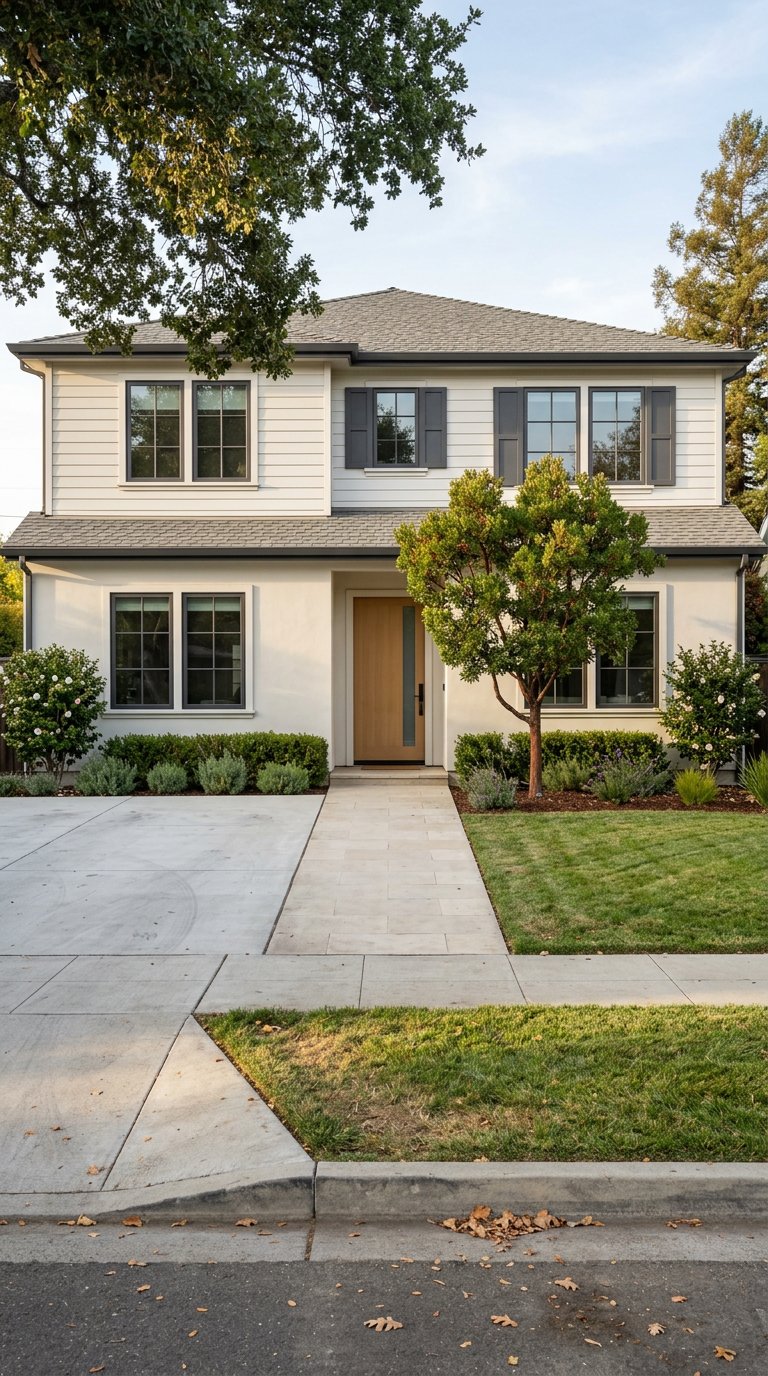
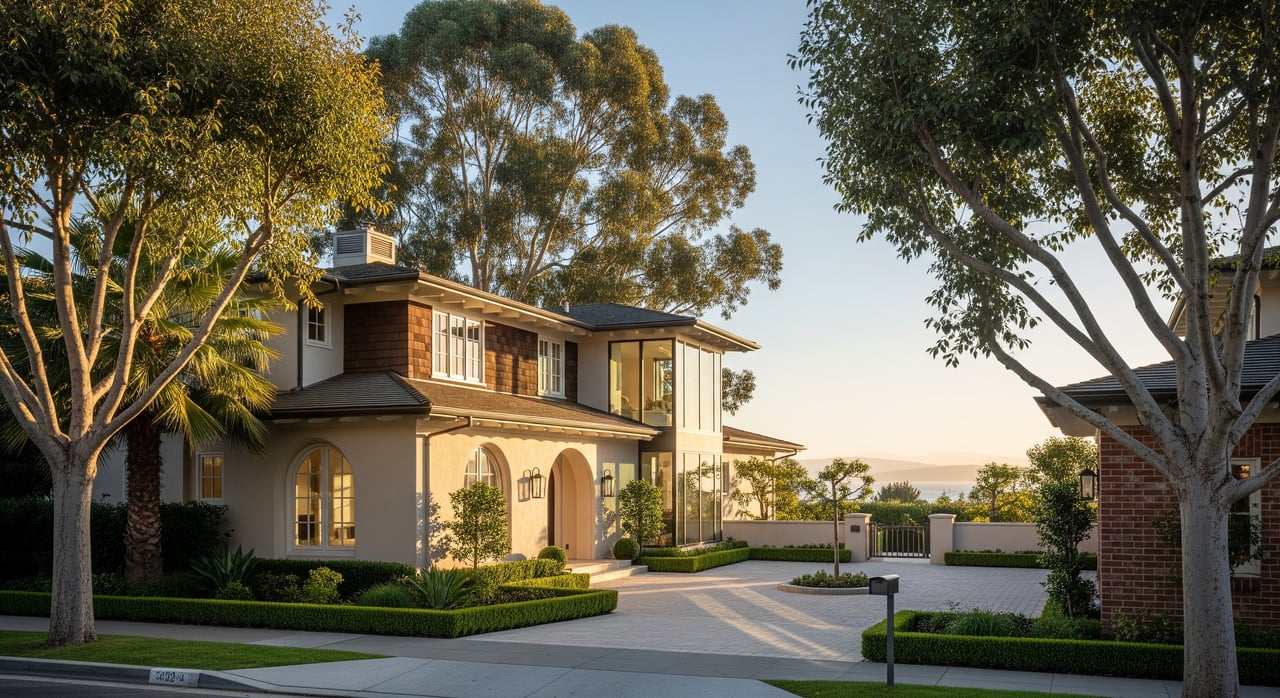
San Carlos centers around a compact, walkable downtown on Laurel Street with cafes, boutiques, and community events. You’ll find mostly single-family homes, many from the mid-20th century, with a lot of thoughtful remodels and rebuilds. Terrain is generally flat to gently rolling, creating family-friendly yards and blocks near downtown and Caltrain. Townhomes and small condo options exist, but they’re less common than in Redwood City.
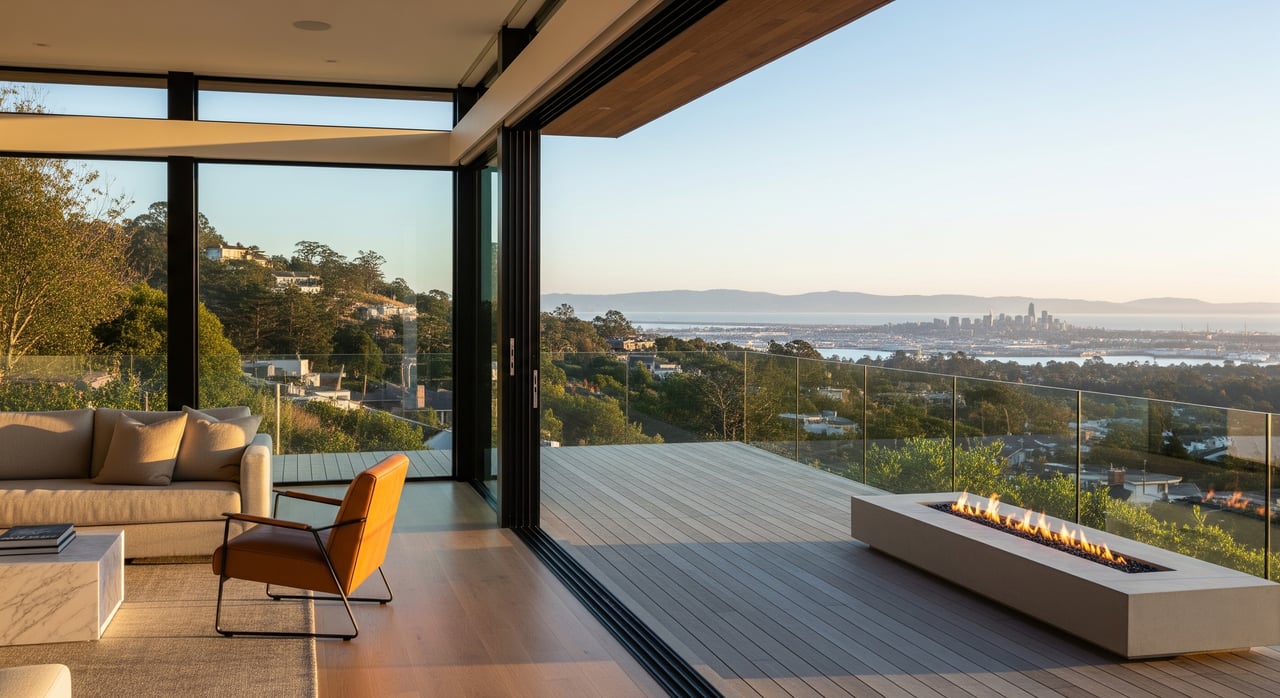
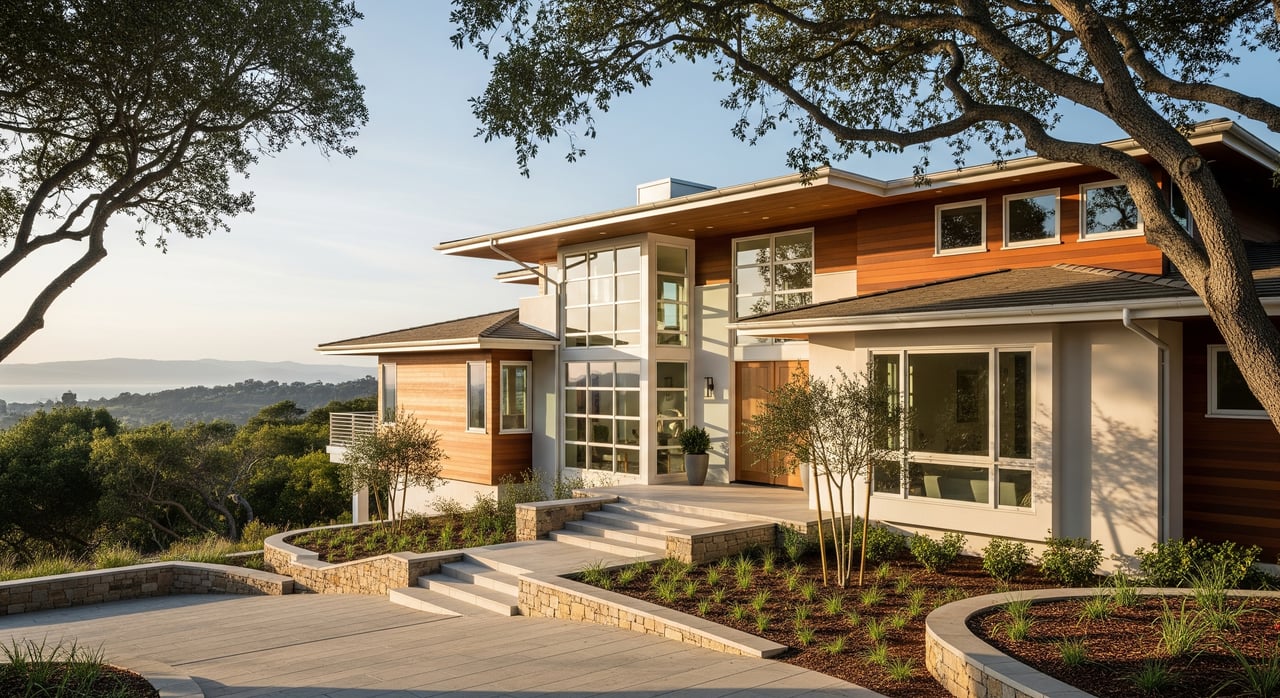
Belmont leans residential and quiet, with many hillside neighborhoods and variable lot sizes. The hills often bring more privacy and views, but also steeper driveways and more stairs. Housing is primarily single-family; there are fewer dense multifamily projects, so condo and townhome choices are more limited. Commercial corridors are smaller, and evenings tend to be low-key.
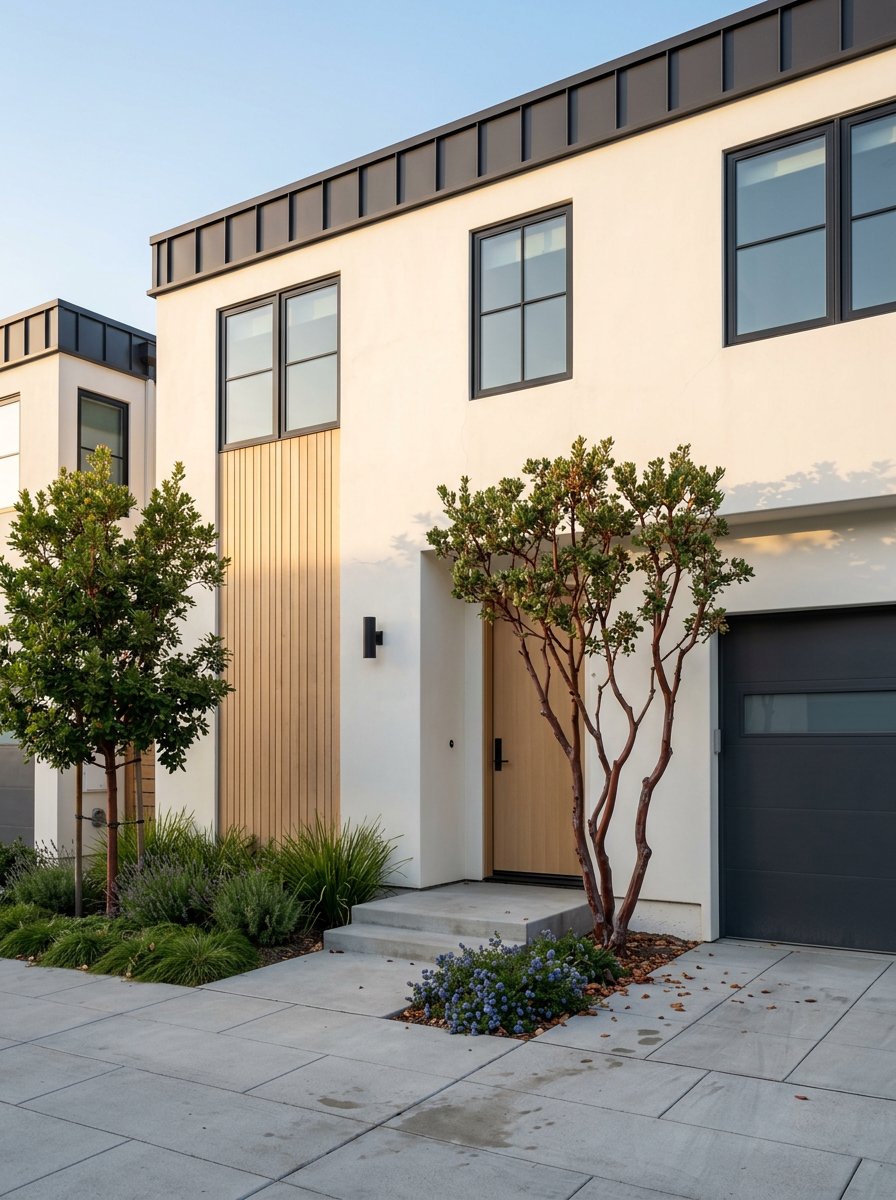
Redwood City delivers the most urban energy and the broadest housing mix. You’ll find single-family homes, many townhomes, condos, and newer residential developments in and around the revitalized downtown. Entertainment options are stronger, including performing arts venues like the Fox Theatre, plus a larger restaurant scene and frequent events. Neighborhoods vary widely, from flatter bay-side pockets to older areas with modest lot sizes.
Pricing differs by neighborhood, school boundary, proximity to downtown and Caltrain, lot size, and recent renovations. San Carlos and Belmont often sit in a similar, more suburban, family-focused tier. Redwood City spans a wider spectrum, from more affordable condos and townhomes to high-end single-family homes, which can feel more accessible across budgets.
Inventory and competition also vary by product type. San Carlos and Belmont often have fewer move-in-ready single-family options, which can speed up competition for well-located, updated homes. Redwood City’s larger multifamily inventory can mean more choices and sometimes softer dynamics for condos and townhomes.
School performance and boundaries are hyperlocal and can change. Each city includes a range of elementary and middle schools with different programs and outcomes. High schools are part of regional districts, so many families review both local K–8 assignments and the aligned high school.
To evaluate schools, use multiple data points. Review official state sources, district websites for program offerings, and third-party summaries for parent feedback. Whenever possible, visit campuses, attend tours, and talk to PTA members to learn about programs and community involvement. Also consider practical factors like proximity to childcare, after-school programs, parks, and health services.
All three cities sit on the Caltrain corridor with stations in San Carlos, Belmont, and Redwood City. Caltrain schedules include local and limited/express service, which can materially affect commute times to San Francisco, Palo Alto, or Mountain View. If you plan to connect to BART, expect a transfer.
Highway 101 is the primary north–south artery. Access points and congestion vary by neighborhood and time of day. I-280 provides a scenic, westerly alternative, and SR-92 connects east–west to I-280. Local SamTrans routes and employer shuttles support some commuters. Biking and walking are strongest around downtown San Carlos and downtown Redwood City, while Belmont’s hills can make biking less practical in places.
Parking near stations differs. Downtown Redwood City and station areas may have paid or permit parking. San Carlos’ downtown is smaller but can still get busy during peak commute periods. If you plan to drive to Caltrain, check station parking capacity and your first/last-mile plan.
Each city provides access to Peninsula open space, neighborhood parks, and regional trails. Your experience will depend on the neighborhood, whether you prefer hill hikes, creekside paths, or flat playgrounds. Map your favorite parks and sports fields relative to target homes and consider proximity for daily routines.
Redwood City has larger retail nodes and medical centers. San Carlos offers a strong local retail mix centered around Laurel Street. Belmont’s options depend on the neighborhood, with regional centers a short drive away.
Crime and safety conditions vary block by block. Review official police reports and local crime maps, and visit at different times of day to understand street lighting, pedestrian activity, and traffic patterns.
Environmental factors are also neighborhood-specific. Some low-lying areas of Redwood City are subject to flood risk and long-term sea-level considerations. In hillside zones of Belmont, slope stability and landslide risk may apply. Across older lots in all three cities, check drainage and the impact of mature trees on foundations and utilities.
Most Peninsula homes connect to sewer, but always confirm utilities for unusual parcels. For remote work, verify fiber or high-speed internet availability at the address level.
Redwood City has had active downtown development and more mixed-use projects. If you want proximity to nightlife and transit, that can be a plus. If you prefer quieter streets, review the city’s planning pipeline to understand approved or proposed buildings near your target block.
San Carlos and Belmont see more infill teardowns and rebuilds than large-scale projects. Check local ADU rules, lot coverage limits, and permitting timelines if you plan to expand or add space.
For resale, homes in strong school attendance areas and near train stations tend to draw deeper buyer pools. Updated kitchens and bathrooms, open floor plans, and off-street parking remain consistent crowd-pleasers. Keep an eye on longer-term factors like employment shifts on the Peninsula, potential transit changes, and planning around sea-level rise.
Use your non-negotiables to narrow fast, then compare lifestyle tradeoffs among finalists.
If you want a personalized, block-by-block plan that matches your family’s priorities, we can help. Our local, two-agent model gives you faster scheduling, broader access to off-market and early opportunities, and clear, data-informed guidance from search to closing.
Ready to compare neighborhoods, review real comps, and plan your next move? Reach out to Sarah Ravella to request your Concierge Home Consultation.
Stay up to date on the latest real estate trends.
We pride ourselves in providing personalized solutions that bring our clients closer to their dream properties and enhance their long-term wealth.