Guide To Redwood City New Construction Homes
March 5, 2026
March 5, 2026
Imagine unpacking boxes in a fresh, modern home where everything from the roof to the HVAC is brand new. If you are eyeing Redwood City for that experience, you are not alone. New construction offers the ease of turnkey living and the appeal of contemporary design, but it also comes with unique timelines, contracts, and HOA details to weigh. In this guide, you will learn where to find new and recently built homes in Redwood City, what they typically include, how pricing compares, and how to navigate warranties, HOAs, and the buying process with confidence. Let’s dive in.
Downtown hosts the highest concentration of mid-rise condos and stacked-townhome products. The city’s planning framework encourages housing near Caltrain and the core retail area, which is why you see more for-sale multifamily options here. The Downtown Precise Plan explains where and how density is allowed. If you want walkability, elevator buildings, and transit access, start your search downtown.
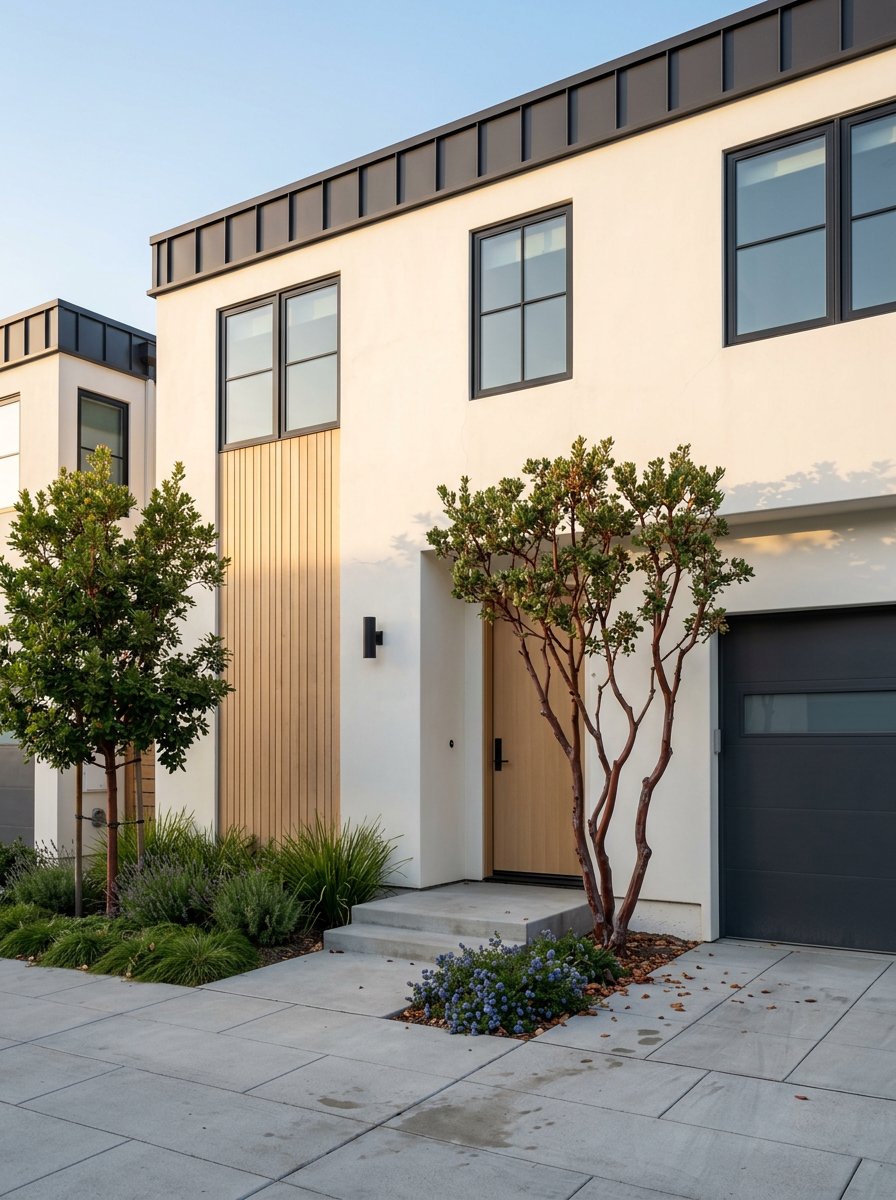
Across Redwood City, small builders continue to deliver 8 to 20-unit townhome communities on narrower lots, often along key corridors like Woodside Road. These are designed for low-maintenance living with modern systems and a lock-and-leave feel. A recent example on Woodside Road marketed as “Woodside Oaks” shows the pattern: 3 to 4 bedrooms, contemporary finishes, and a monthly HOA in the mid-hundreds. You can see sample finishes and HOA details in a representative listing for the community at 943 Woodside Road.
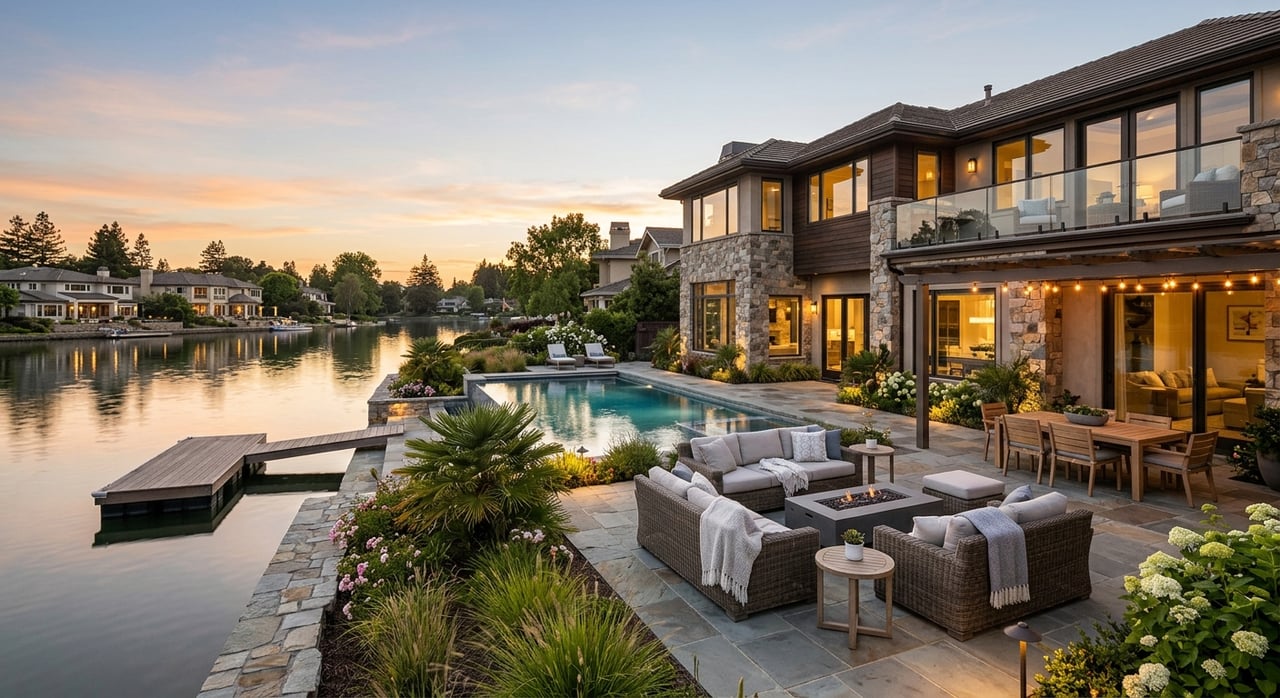
Redwood Shores, a master-planned area of Redwood City, includes clusters of townhomes and condos with a wide range of HOA structures and amenities. You will also see redevelopment and infill along corridors like El Camino Real and near US 101, based on what local policy allows. If you prefer planned neighborhoods and community amenities, Redwood Shores is worth a look.
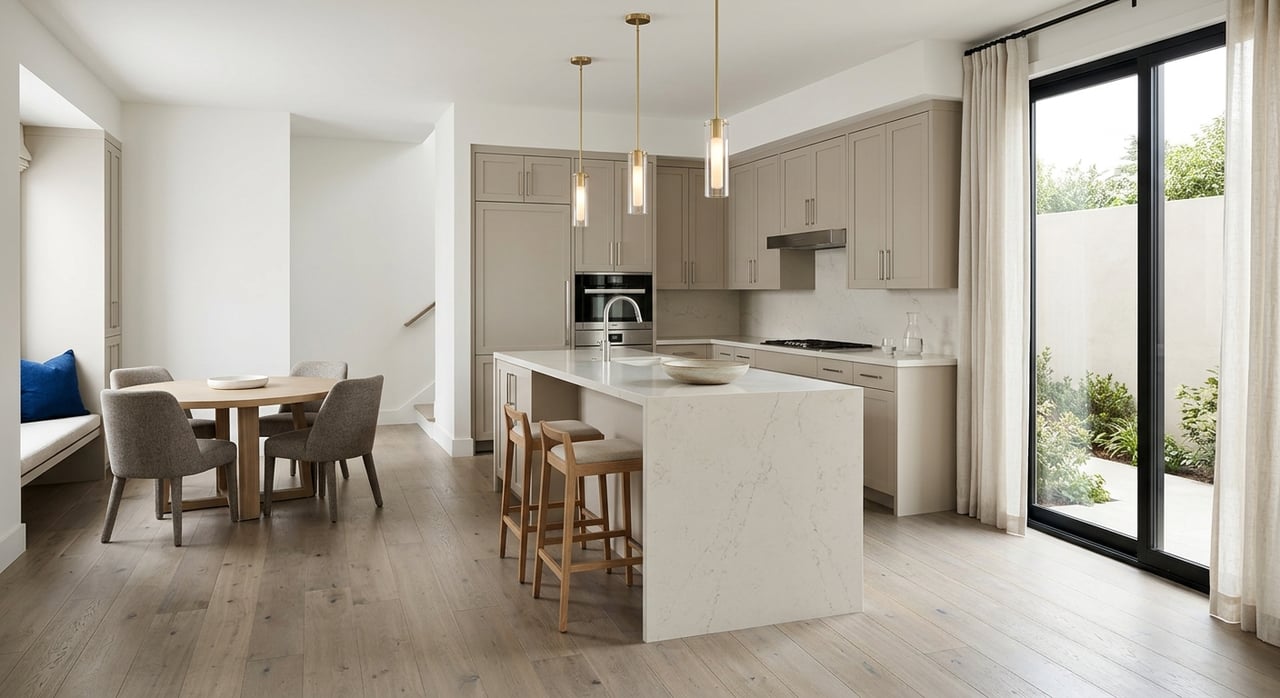
Buyers today lean toward bigger kitchens, outdoor living space, and smart home touches. Recent national reporting highlights these preferences and how they show up in builder specs, including energy-efficient systems and tech-forward upgrades. See a concise overview in this industry coverage of buyer trends from Business Insider.
In Redwood City’s small infill townhomes, you will often see:
For a real-world snapshot of finishes and advertised warranties, scan the Woodside Road townhome listing details at 943 Woodside Road.
As of late 2025 and early 2026, Zillow’s local home value index places Redwood City’s typical home value in the range of about 1.7 to 1.9 million dollars. Nearby Peninsula markets like Palo Alto run higher by comparison, which is part of why Redwood City can feel a bit more attainable while still very much a premium market by national standards.
What does that mean for new construction? In Redwood City, brand-new attached townhomes sometimes price below nearby single-family homes while still carrying a premium over older townhomes due to modern systems, finishes, and warranties. The Woodside Road examples in 2025 were marketed roughly in the low 1.2 to 1.5 million dollar range, with HOA fees around 600 to 650 dollars per month. The exact number depends on the specific unit, square footage, and community offerings.
Two tips for comparing value:
Townhome and condo HOAs vary based on what is covered. In Redwood City, you will commonly see a range from a few hundred dollars to the high 700s per month, depending on whether exterior maintenance, roof, hazard insurance for the building, and amenities like a pool or clubhouse are included. Recent Redwood Shores listings provide helpful context for how fees shift when amenities and exterior items are included.
Before you write an offer, review these HOA items:
Also check for special taxes. Ask if the property is in a Community Facilities District, often called Mello-Roos in California. This appears as a separate line on the tax bill and can meaningfully change your monthly cost. You can learn more about the statute behind these districts in the Mello-Roos Community Facilities Act.
Most builders offer tiered coverage often summarized as “1-2-10.” In practical terms, that usually means one year of workmanship coverage, two years on systems, and 10 years on structural components. Coverage terms vary by builder, so you should read the actual warranty packet and ask questions. For a plain-English overview of how these programs are commonly structured, see this guide to home construction warranties.
California adds a layer of protection through the state’s Right to Repair Act, known as SB 800. This law sets standards for new residential construction and outlines a pre-litigation repair process. It is helpful to know the law exists, but your best action is to review the builder’s written warranty and understand how to submit claims. You can read the statute text for context here: California SB 800.
Questions to ask the builder or seller’s agent:
The flow for a new-build purchase is different from a typical resale. Here is what you can expect:
Use this quick list as you evaluate specific homes and communities:
Builder and track record
Warranty and coverage
HOA and ongoing costs
Inspections and walk-throughs
Financing and appraisal
Choose new construction if you value low maintenance, energy-efficient systems, and contemporary design, and you are comfortable with an HOA and the possibility of a longer contract-to-close timeline. You will likely trade a private yard or larger lot for walkability, amenities, and modern convenience, especially in downtown and townhome communities. If you prefer a larger private lot, older single-family homes may be a better fit and can still compete well on value if you plan targeted upgrades.
When you are ready to explore options, you will gain the most by pairing local knowledge with a clear process. Our team tracks new and coming-soon opportunities across Downtown Redwood City, small infill sites like Woodside Road, and Redwood Shores so you can see the full picture and act quickly when the right fit appears.
Ready to tour new construction and recently built homes in Redwood City? Get expert guidance, strategic negotiation, and the power of two working for you. Connect with Sarah Ravella to start your plan.
Stay up to date on the latest real estate trends.
We pride ourselves in providing personalized solutions that bring our clients closer to their dream properties and enhance their long-term wealth.