Redwood Shores Or Foster City For Waterfront Buyers?
April 23, 2026
April 23, 2026
If you want waterfront living on the Peninsula, Redwood Shores and Foster City will both land on your shortlist fast. At first glance, they can seem similar: planned communities, lagoon views, and homes that put water at the center of daily life. But once you look closer at access, HOA structure, flood planning, and commuting, the differences become much more practical. Let’s dive in.
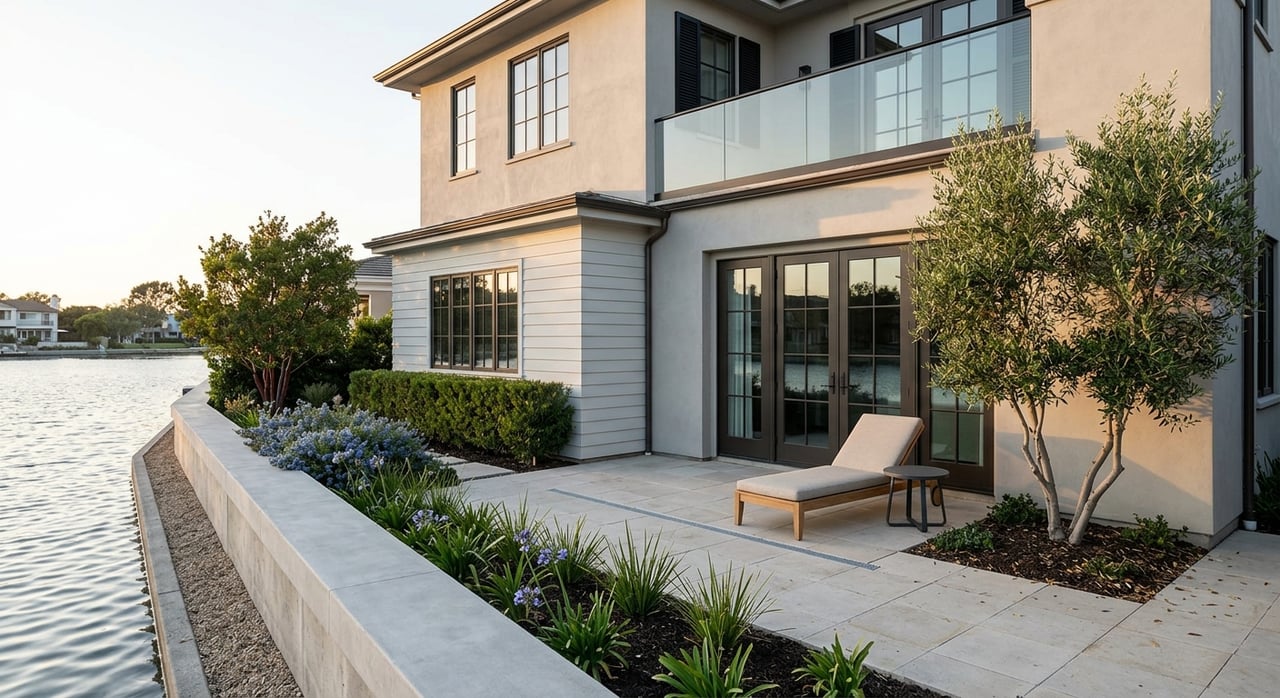
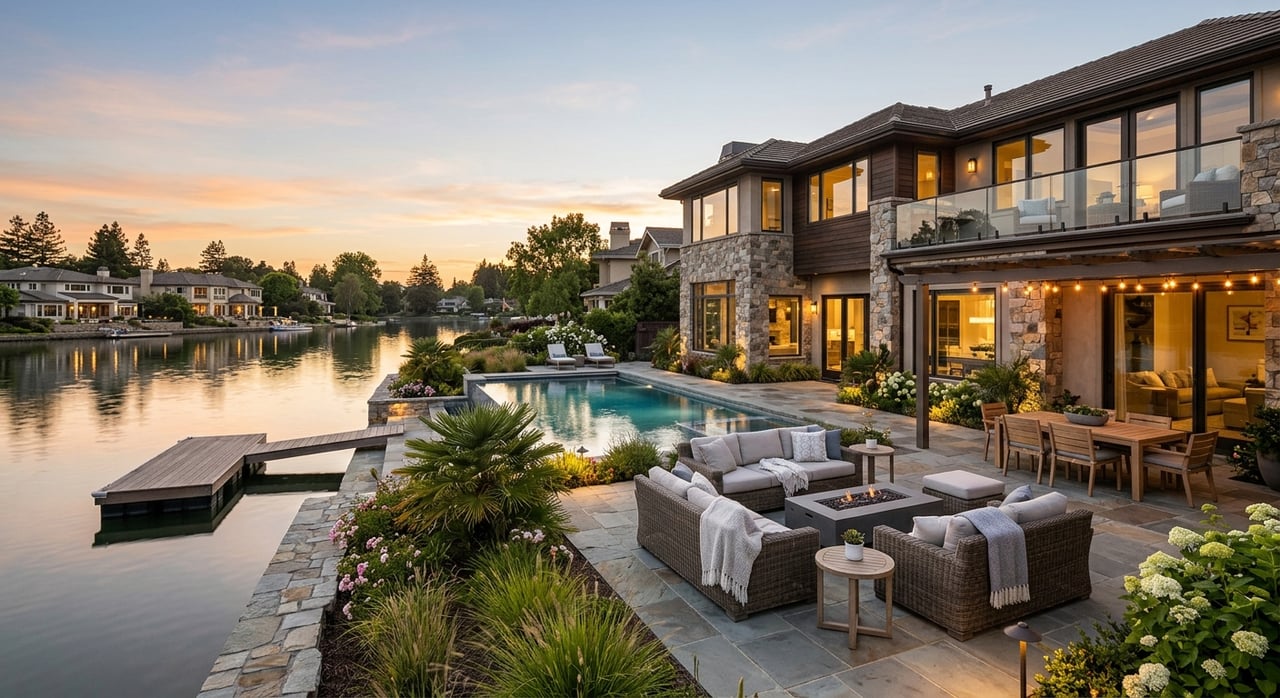
For many buyers, the first question is simple: what does waterfront living actually look like day to day? In Redwood Shores, the lagoon is a focal point for housing and retail, and the city notes it supports boating, swimming, and windsurfing opportunities. At the same time, boating access is more limited, since it is residents-only or by permission of the Redwood Shores Community Association, and gas-powered boats are not allowed, according to the City of Redwood City’s lagoon overview.
Foster City offers a broader citywide water experience. The city describes its lagoon system as both a recreational amenity and part of the stormdrain system, while the levee also works as a recreation corridor connected to the Bay Trail for walking, running, biking, and skating. If you picture yourself using the water and shoreline as part of everyday life, Foster City often feels more networked and expansive.
That difference shapes the lifestyle. Redwood Shores tends to come across as a quieter lagoon enclave, while Foster City feels more like a larger planned city organized around water, trails, and public access. Neither is better in every case. It depends on whether you want a more intimate waterfront setting or a broader civic amenity network.
Your experience as a homeowner may differ just as much as your experience as a resident. Redwood City describes Redwood Shores as a master-planned neighborhood with a mix of land uses, dwelling types, and common open space. The Redwood Shores Owners Association overview says the umbrella HOA covers residential developments built since 1981 and includes 4,084 residential units, along with common area parks, lagoon frontage, docks, and a boat launch at Don Warren Marina.
That means Redwood Shores buyers often need to evaluate more than one layer of governance. In practice, you may have the umbrella HOA plus a local sub-association, depending on the property. If you are considering a townhouse, condo, or home with shared waterfront elements, reviewing CC&Rs, dues, maintenance responsibilities, and design rules becomes especially important.
Foster City is also a planned community, but the structure can feel more citywide and neighborhood-based. The city profile describes nine residential neighborhoods, a Town Center, and an industrial area, with most residential neighborhoods containing a mix of single-family homes, townhomes, condominiums, and apartments. That same community profile says that in 2010, 36.5% of units were single-family detached and 63.5% were multifamily.
Foster City buyers still need to read governing documents carefully. The city’s current planning materials reference HOA master plans and prototypes among the documents used in planning review. Even so, Redwood Shores often feels more association-layered, while Foster City can feel more neighborhood-and-city oriented.
For waterfront buyers, this may be the most important practical difference.
Foster City currently has the clearer public flood-insurance position. The city says FEMA has certified the levee as providing protection from the 1-percent annual chance flood, that land within city limits remains classified as Zone X, and that mandatory flood insurance is not required. The city also states that the Levee Improvements Project was completed in February 2024 to maintain FEMA accreditation and improve resilience for future sea-level-rise conditions.
Redwood Shores is in a more active planning phase. Redwood City says FEMA notified the city in April 2020 that unless the levee system around Redwood Shores is modified, the Flood Insurance Rate Map will be revised and properties in Redwood Shores will be designated as a Special Flood Hazard Area, affecting about 4,700 households. The city is continuing the Redwood Shores Sea Level Rise Protection Project, and it held a second community meeting in February 2026.
That does not mean Redwood Shores is off the table. It does mean you should plan for more diligence. FEMA’s guidance for living with levees makes clear that levees reduce flood hazard, but do not remove it, and lenders can still require flood insurance even where it is not federally mandatory.
If waterfront living is the goal, build these questions into your due diligence:
In general, Foster City looks more straightforward right now from a flood-insurance standpoint. Redwood Shores may still be a strong fit, but it usually calls for more research at the property level.
Lifestyle is not only about the water. It is also about how easily you can get where you need to go.
Redwood Shores has targeted shuttle support for Caltrain access. The free weekday Redwood LIFE Caltrain shuttle serves Belmont Caltrain Station and residential areas along Marine Parkway during commute hours. That can be useful if your routine lines up with those service windows and your destination works well with Caltrain.
Foster City appears to offer a denser set of transit options based on the available sources. The Foster City Commuter shuttle connects Hillsdale Caltrain with several residential areas, and the city also lists additional shuttle options tied to Hillsdale Caltrain and Millbrae Intermodal. On top of that, SamTrans FCX provides weekday express service between Foster City and downtown San Francisco via US-101.
If you want more documented options for a car-light routine, Foster City may have the edge. Redwood Shores still works well for many buyers, especially those who expect to drive or use a narrower set of shuttle connections. The right answer depends on your actual week, not just the map.
When clients compare these two communities, the decision often comes down to how they want waterfront life to feel.
Redwood Shores can be especially appealing if you want an intimate, residential waterfront environment and do not mind a more detailed review process before you commit.
The city highlights 24 parks and 16 miles of man-made waterways, which reinforces that larger-scale planned-community feel.
If you are serious about buying in either area, avoid deciding based on photos alone. Waterfront homes can look similar online while carrying very different HOA structures, insurance questions, and day-to-day usability.
A smart comparison usually includes:
That kind of side-by-side work is where good buying decisions happen. On the Peninsula, the details matter.
If you are weighing Redwood Shores against Foster City, the best choice is usually the one that matches your tolerance for complexity, your commute pattern, and the kind of waterfront lifestyle you will actually use. If you want help pressure-testing the tradeoffs, Sarah Ravella can help you compare homes, HOA documents, and neighborhood fit with a practical local lens.
Stay up to date on the latest real estate trends.
We pride ourselves in providing personalized solutions that bring our clients closer to their dream properties and enhance their long-term wealth.